Top 5 Innovations in Device Charging Technology You Need to Know
As the demand for portable electronics increases, so does the need for efficient and innovative device charging technology. Among the top advancements is fast charging, which has revolutionized the way we power our gadgets. Technologies such as Qualcomm Quick Charge and USB Power Delivery enable devices to charge significantly faster than traditional methods. With these innovations, users can achieve over 50% charge in just 30 minutes, making it a game-changer for those always on the go.
Another standout innovation is the emergence of wireless charging, which has gained momentum due to its convenience and accessibility. With standards like Qi wireless charging, users can simply place their devices on a charging pad without the hassle of tangled cords. Additionally, solar charging technology is gaining traction as a sustainable option, allowing users to charge their devices using sunlight. These advancements not only enhance user experience but also promote a greener approach to powering our devices.
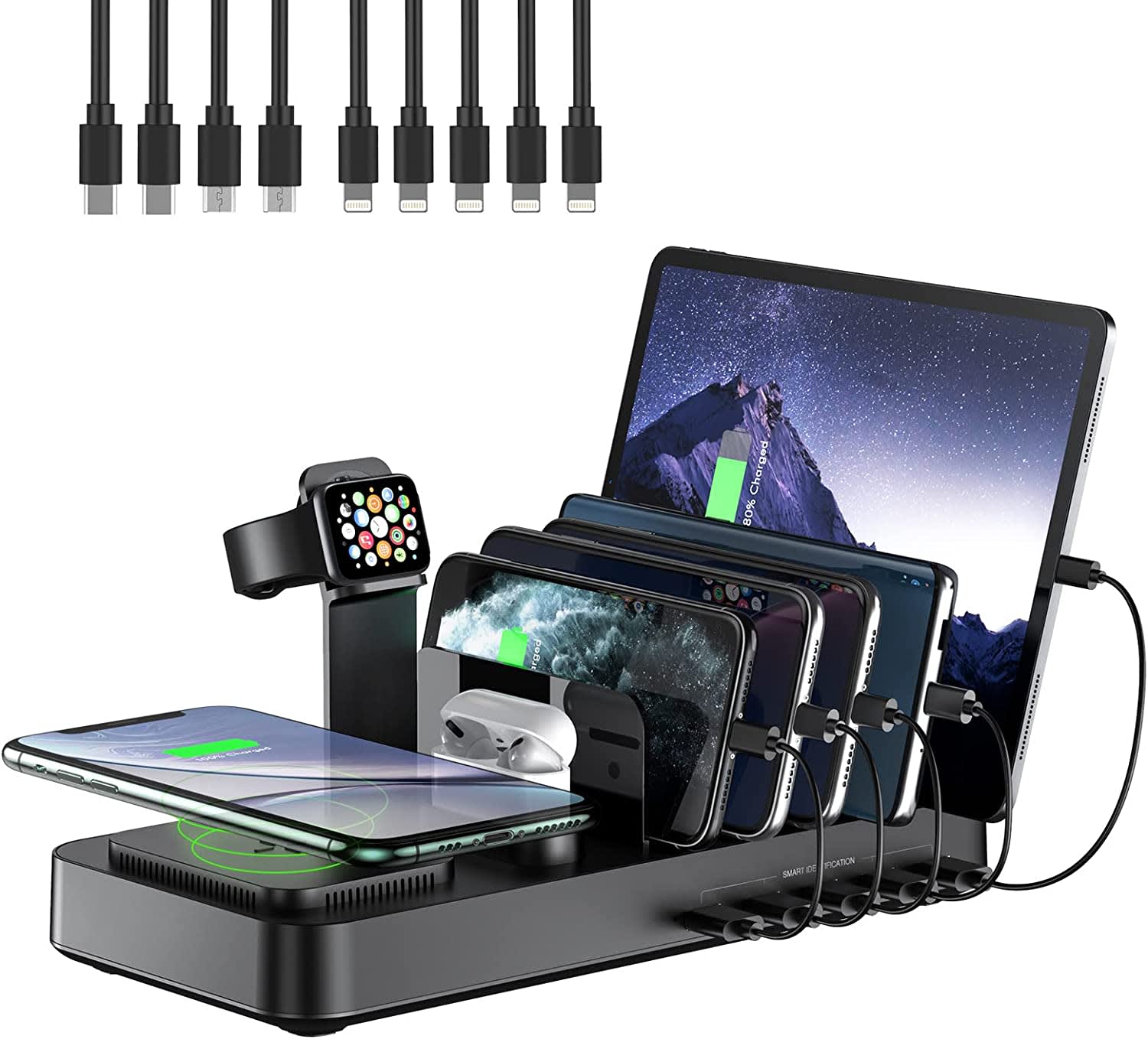
If you're looking to declutter your space while keeping your devices charged, our Top 10 Wireless Charging Stands provide a perfect solution. These stands not only offer convenience but also come equipped with various features to enhance your charging experience, such as fast charging capabilities and multi-device support. Discover how these stands can fit into your lifestyle and keep your devices powered up efficiently.
How Fast Charging Works: The Science Behind Quick Power-Up
Fast charging has become a vital feature for our modern devices, allowing us to minimize downtime and stay connected. At its core, fast charging works by increasing the amount of current delivered to a device's battery, thus reducing the charging time significantly. This innovative technology relies on several factors, including the compatibility of the charger, the device, and the cable. For example, charging standards like Qualcomm Quick Charge and USB Power Delivery provide protocols that enable higher power transfer rates, ensuring devices can handle the increased voltage without overheating or causing damage.
The science behind quick power-up involves several key components such as voltage, current, and resistance. When a device is connected to a fast charger, the voltage is increased, allowing for more current to flow into the battery. This process is often regulated by the device's built-in charging circuits, which prevent the battery from drawing too much power too quickly. Additionally, smart charging technology detects when a battery is nearing full capacity and automatically reduces the current to protect it from potential harm. By understanding these principles, users can leverage fast charging to keep their devices powered efficiently and safely.
Is Wireless Charging the Future? Pros and Cons Explained
Wireless charging has emerged as a popular and convenient way to power our devices, eliminating the need for tangled cables and connectors. As technology continues to evolve, many wonder if this innovation represents the future of charging solutions. One of the key advantages of this method is its ease of use; simply placing a device on a charging pad can initiate the charging process seamlessly. Additionally, it reduces wear and tear on charging ports, which can prolong the lifespan of devices. However, the potential for faster charging speeds and energy efficiency remains a concern, as traditional wired charging still often outperforms its wireless counterparts.
On the flip side, there are some notable cons associated with wireless charging technology. Firstly, the charging speed can be significantly slower than traditional methods, particularly for high-demand devices. Moreover, the efficacy of wireless charging can be hindered by improper alignment between the device and the charging pad, which may sometimes lead to inefficient energy transfer. Furthermore, users may face compatibility issues, as not all devices support the same wireless charging standards. As we consider whether wireless charging is truly the future, weighing these advantages and disadvantages is crucial in determining if this technology is worth adopting for everyday use.