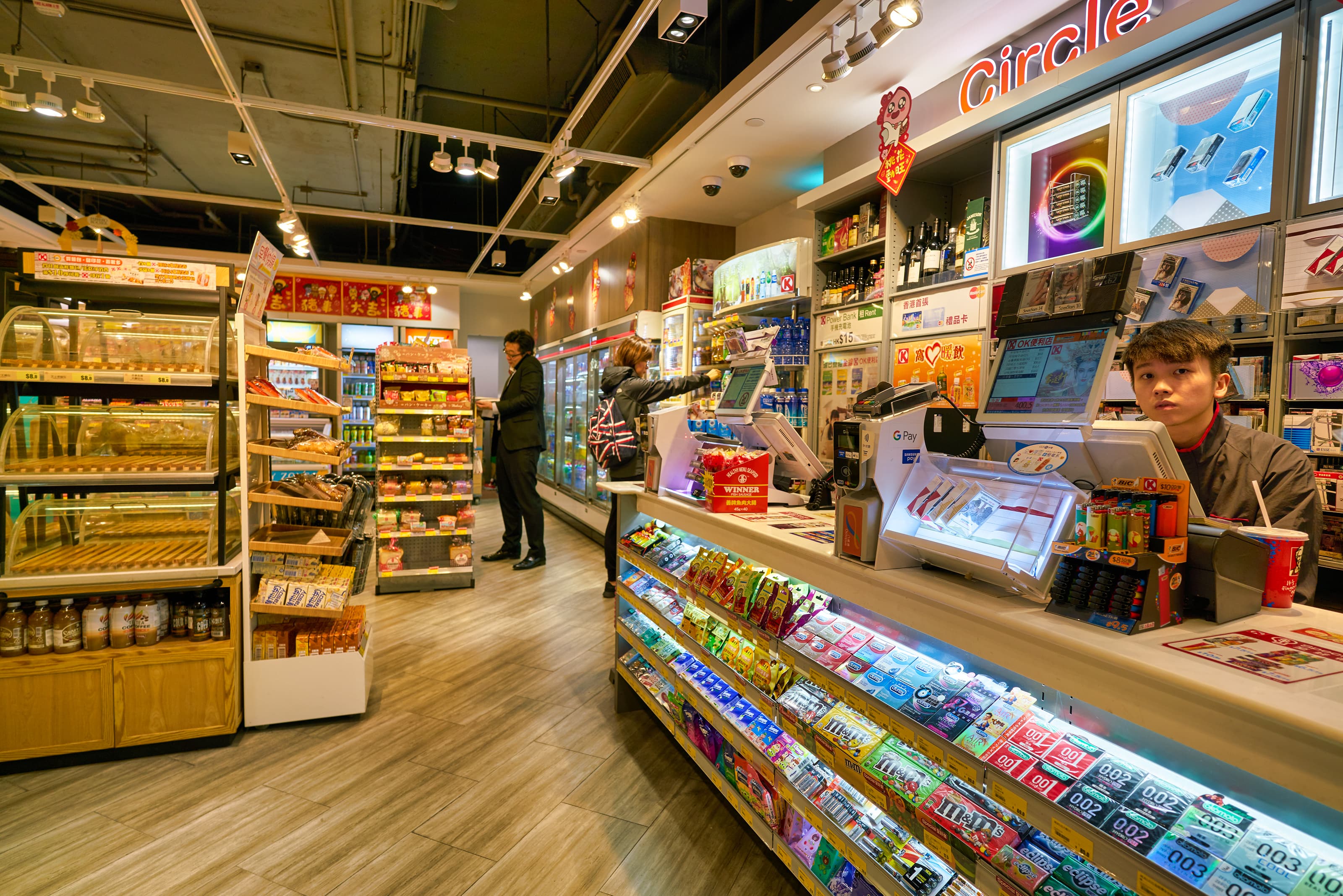
The Psychology of Convenience: How It Influences Our Everyday Decisions
The psychology of convenience plays a significant role in shaping our everyday decisions, often guiding us toward choices that require the least amount of effort or thought. From the products we buy to the routes we take, our brains are wired to prefer options that save us time and energy. This phenomenon can be observed through various examples: when choosing a meal, individuals are more likely to opt for pre-packaged food over cooking from scratch, or when shopping online, we may choose sites with streamlined checkout processes. This preference for convenience not only simplifies our decision-making but also impacts our overall satisfaction and productivity.
Moreover, the influence of convenience extends beyond personal choices and seeps into societal norms and business strategies. Companies that offer easier access to goods and services often enjoy increased customer loyalty as people gravitate toward solutions that reduce friction in their lives. Consider the rise of subscription services and delivery apps; they thrive on our innate desire for simplicity and ease. As we navigate a world filled with choices, understanding the psychology of convenience can help us make more informed decisions, potentially leading to both positive outcomes and unintended consequences.
Counter-Strike is a highly competitive first-person shooter that has garnered a massive global following since its inception. Players choose to play as either terrorists or counter-terrorists in various objective-based game modes. The strategy, teamwork, and skill involved in Counter-Strike make it a staple in the esports community. For those looking to elevate their travel experience, check out the Top 10 apple vision pro travel accessories to enhance your gaming on the go.
Is Convenience Eroding Our Decision-Making Skills?
In today's fast-paced world, convenience is often championed as a positive development, making our lives easier and more efficient. However, it's crucial to consider whether this reliance on convenience is eroding our decision-making skills. With options like one-click purchasing and algorithms tailored to our preferences, many individuals find themselves bypassing critical thinking in favor of speed and simplicity. As a result, we may inadvertently prioritize immediate gratification over thoughtful exploration, leading to a reliance on technology that may stifle our ability to make informed choices.
Moreover, the ease of accessing information and making decisions through digital platforms poses challenges to our cognitive functions. The abundance of choices can lead to analysis paralysis, where the sheer volume of options overwhelms us, resulting in poor decision-making. A study from the Journal of Consumer Research suggests that when individuals are presented with too many alternatives, they may resort to heuristic shortcuts, which can compromise the quality of their choices. As we lean more on convenience, it's essential to assess whether we are genuinely enhancing our decision-making capabilities or allowing the digital age to diminish our instincts and judgment.
The Hidden Costs of Convenience: Are We Sacrificing Quality for Ease?
The modern world thrives on convenience, with everything from food delivery apps to smart home technology designed to make our lives easier. However, this shift towards ease often comes with hidden costs that can compromise quality. For instance, while fast food options provide quick meals, they frequently sacrifice nutritional value for speed and affordability. In many cases, consumers are left unaware of the detrimental effects of consuming processed foods that may lead to long-term health issues.
Moreover, the obsession with convenience can lead to a diminished appreciation for quality craftsmanship and personalized service. Consider the impact of online shopping—while it offers an extensive array of product choices at the click of a button, it often lacks the personal touch found in local stores. This shift not only affects the consumer experience but also undermines small businesses, ultimately leading to a homogenization of options. Therefore, as we embrace these convenient solutions, it is essential to ask ourselves: are we truly prioritizing what’s best for our health and well-being?