The Science of Light: How Different Lighting Affects Our Emotions
The science of light reveals fascinating insights into how different lighting conditions can significantly influence our emotions and overall well-being. For instance, natural light, often associated with feelings of happiness and productivity, can enhance mood and increase levels of serotonin in the brain. In contrast, artificial lighting, particularly harsh fluorescent lights, can lead to feelings of irritability and stress. This phenomenon can be attributed to the body's circadian rhythms, which are closely tied to the exposure of light. Consequently, implementing strategies like maximizing daylight exposure or opting for softer, warmer artificial lights in living and working spaces can result in a more positive emotional state.
Moreover, specific colors of light can evoke distinct emotional responses. For example, warm colors such as reds and oranges tend to create a cozy and inviting atmosphere, while cooler colors like blues and greens promote calmness and tranquility. According to research, these color temperatures can affect our physiological state; warm lighting can increase feelings of excitement or energy, while cool lighting can foster relaxation and restfulness. To harness the power of lighting, consider incorporating a variety of light sources in your environment to cater to the emotional needs of different situations—whether it's a bright, invigorating light for a social gathering or a soft, muted glow for a relaxing evening at home.
If you're looking to enhance your workspace lighting, consider exploring the Top 10 Monitor Light Bars. These light bars not only provide effective illumination but also help reduce eye strain during long hours of computer use. Each of these options offers unique features to suit different setups and preferences.
Mood Lighting: Can the Right Illumination Change Your Mindset?
Mood lighting is more than just a design choice; it can significantly impact our emotional state and well-being. The right illumination can transform a space, creating feelings of warmth, comfort, and relaxation. For instance, research shows that soft, warm lights can promote a sense of calmness, making them ideal for spaces intended for unwinding, such as bedrooms or living rooms. In contrast, bright, cool lighting is often associated with alertness and focus, making it suitable for workspaces and study areas. By understanding how different types of lighting influence our mood, we can harness the power of light to engineer our environments for optimal mental states.
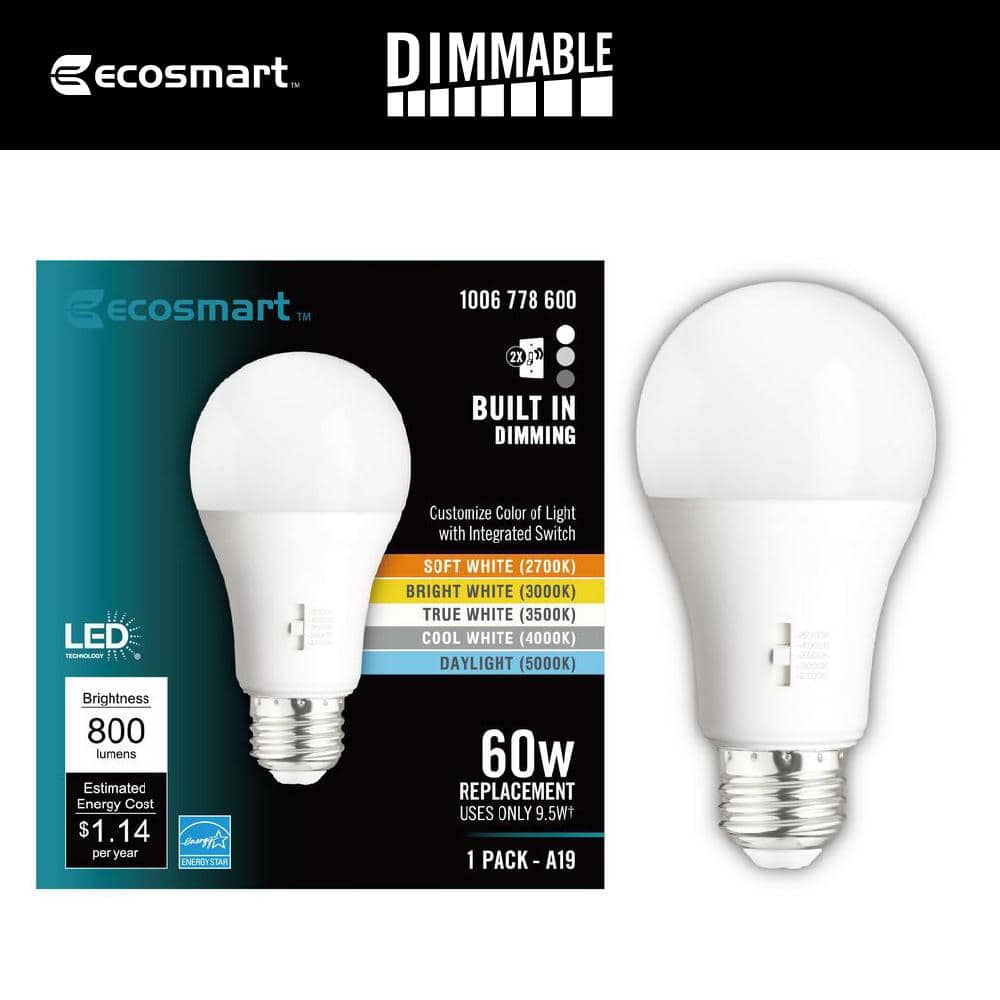
To create the desired mood, consider implementing adjustable lighting solutions like dimmers or smart bulbs. These technologies allow you to tailor the illumination based on time of day or specific activities. For example, a romantic dinner might call for softer lighting, while a productive work session may necessitate brighter, more focused light. Additionally, incorporating elements such as colored lights can evoke certain feelings; for instance, blue tones are often calming whereas yellow hues can energize. Ultimately, by being mindful of lighting choices, you can effectively influence your mindset and enhance your overall quality of life.
What Color Is Your Mood? Exploring the Psychology of Lighting
Colors play a profound role in influencing our emotions and psychological states, and lighting is a key factor in how we perceive these colors. The connection between light and color can significantly impact our mood; for instance, warm colors like reds and oranges can evoke feelings of warmth and energy, while cool colors, such as blues and greens, often promote calmness and relaxation. Research suggests that different lighting conditions can alter not only our perceptions of color but also our overall psychological wellbeing. For example, a brightly lit room can enhance positivity and productivity, while dim lighting can create a more intimate atmosphere, making us feel at ease or even nostalgic.
When exploring the psychology of lighting, it’s essential to consider the emotional responses elicited by various hues under different lighting conditions. Natural light has been shown to improve mood and bolster creativity, while artificial lighting can sometimes lead to fatigue and reduced motivation if not carefully chosen. It’s fascinating to observe how areas designed with specific colors and lighting schemes can influence behavior — think of how restaurants use warm lighting to create an inviting space that encourages diners to linger longer. Understanding how color interacts with light allows us to create environments that not only cater to aesthetic appeal but also foster emotional wellbeing.