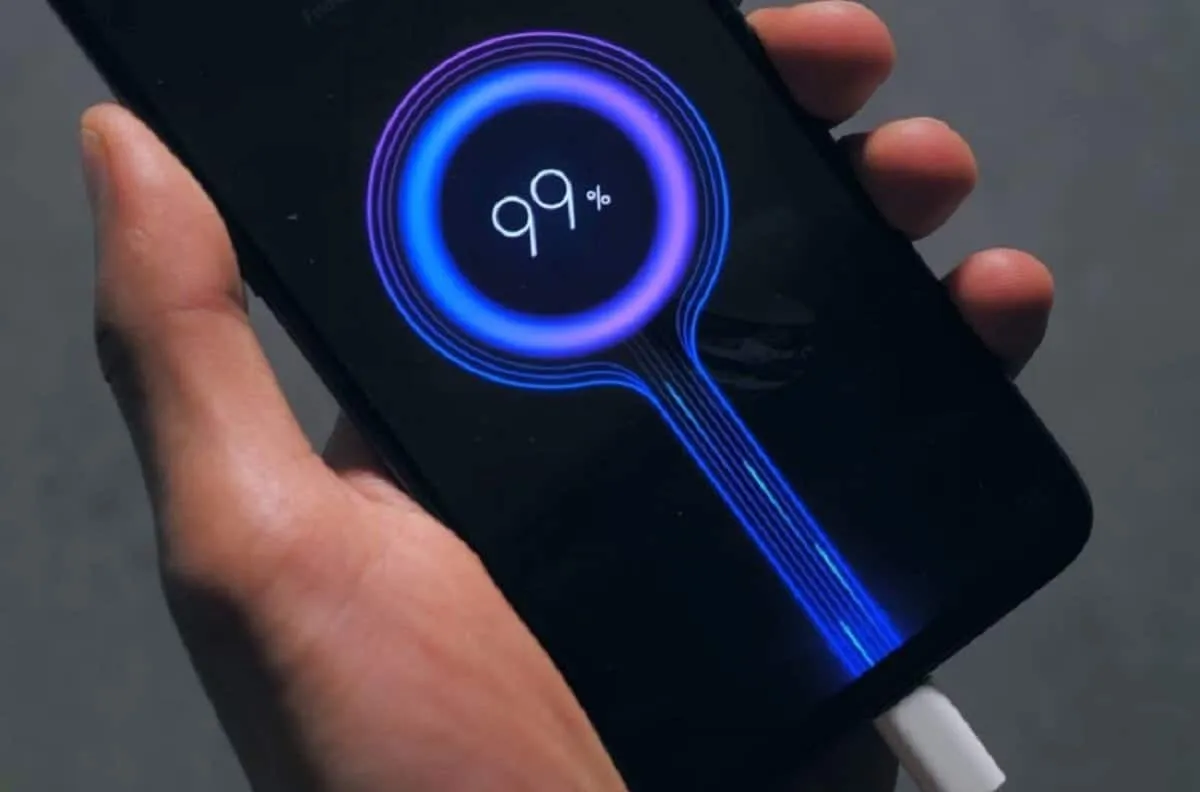
The Science Behind Fast Charging: How It Works
The science behind fast charging involves a combination of innovative technologies that optimize battery recharge times by modifying voltage and current levels. At its core, fast charging works by increasing the amount of electricity fed into a battery while simultaneously managing heat and ensuring safety. Most modern fast chargers utilize a principle called constant current/constant voltage (CC/CV), where they initially apply a constant current to power up the battery quickly. Once the battery reaches a predetermined voltage, the charger then shifts to a constant voltage mode to prevent overheating and maintain battery health.
One of the key elements that enable fast charging is the use of advanced materials in battery technology. For instance, lithium-ion batteries are designed to handle higher charge currents, thanks to their internal chemistry and physical structure. Additionally, innovations like USB Power Delivery and Qualcomm Quick Charge have been developed to standardize fast charging techniques across various devices. These systems communicate with each device to determine the optimal charging parameters, maximizing efficiency and reducing the time it takes to fully charge your smartphone or tablet while ensuring safety mechanisms are in place.
When it comes to fast charging, having the right USB-C cable can make all the difference. The Top 10 Fast Charging USB C Cables have been carefully selected based on their performance, durability, and compatibility with various devices. Whether you're charging your smartphone, tablet, or laptop, investing in a quality cable is crucial for optimal charging speeds.
Top 5 Benefits of Fast Charging Technology
Fast charging technology has revolutionized the way we power our devices, offering users a range of benefits that go beyond mere convenience. One of the top advantages is time efficiency. With fast chargers, smartphones and tablets can reach significant battery levels in a fraction of the time compared to standard chargers. For instance, while a regular charger might take several hours to fully charge a device, a fast charger can often accomplish the same task in under an hour, making it ideal for busy lifestyles.
Another major benefit of fast charging technology is its ability to enhance productivity. In today's fast-paced world, many users rely on their electronic devices for work, communication, and entertainment. Quick charging means less waiting time and more functionality throughout the day. In fact, users can enjoy an extra few hours of battery life after just a short charging session, which is crucial for anyone on the go. Overall, the implementation of fast charging not only improves device usability but also promotes a more efficient use of time.
Is Fast Charging Bad for Your Battery Life?
Fast charging has become an essential feature for many modern devices, offering unparalleled convenience and reducing the time spent tethered to a power outlet. However, one of the most frequently debated topics among tech enthusiasts is whether fast charging is detrimental to battery life. To understand this, it's crucial to consider how fast charging works: it delivers higher voltage and current to the battery, which can lead to increased heat generation. Over time, excessive heat can weaken a battery's chemical composition, potentially reducing its overall lifespan.
That said, many manufacturers implement advanced charging technologies designed to mitigate risks associated with fast charging. For example, some devices include battery management systems that adjust charging speeds based on temperature and battery health. While it's unlikely that using fast charging will significantly harm your battery in the short term, it's wise to follow best practices.
- Avoid using your device in hot environments while charging.
- Disconnect the device once it's fully charged to prevent trickle charging.