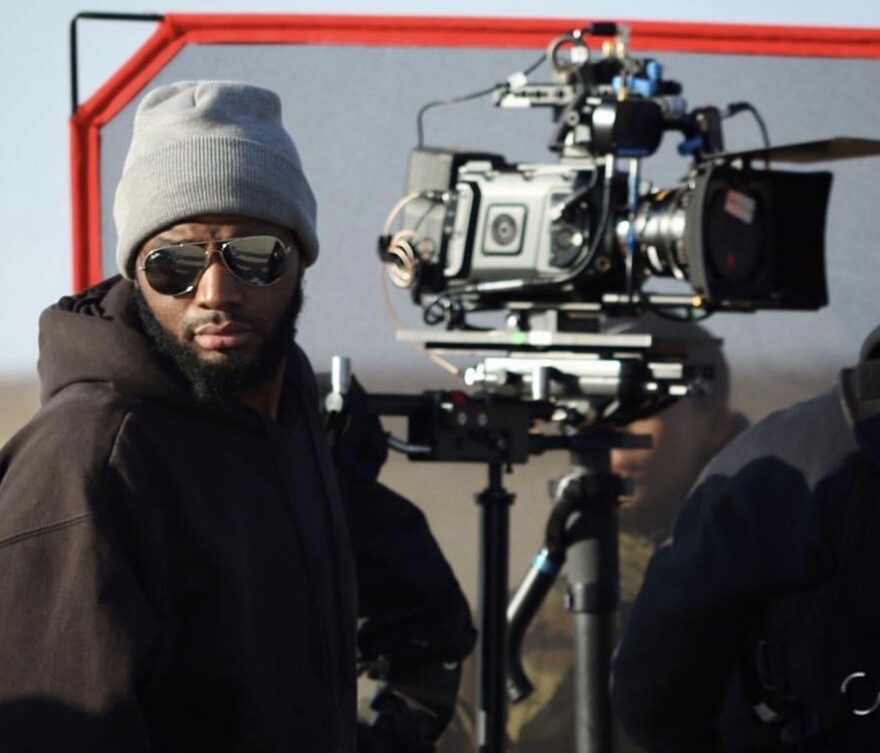
10 Cinematic Techniques Hollywood Uses to Create Magic
Hollywood has long mesmerized audiences with its ability to weave intricate stories through a variety of cinematic techniques. One such technique is the use of camera angles, which can drastically alter a scene's emotional impact. By employing low-angle shots to create a sense of power or high-angle shots to induce vulnerability, filmmakers guide viewers’ perspectives and evoke specific sentiments. Additionally, the strategic use of lighting plays a pivotal role; whether it's the soft glow of a romantic evening or the harsh shadows in a suspenseful thriller, lighting sets the mood and adds depth to the narrative.
Another vital aspect of filmmaking is editing, which helps to establish pacing and suspense. Quick cuts can ramp up adrenaline during action sequences, while long takes allow audiences to fully immerse themselves in a scene. Filmmakers also use color grading to enhance the visual storytelling. For example, warm tones might evoke nostalgia, while cooler hues can signify detachment or sadness. To further captivate viewers, sound design creates an auditory landscape that complements the visuals, drawing audiences into the film's world. Each of these techniques, when executed effectively, contributes to the captivating magic of Hollywood cinema.
Counter-Strike is a highly popular tactical first-person shooter game that pits teams of terrorists against counter-terrorists in various objective-based scenarios. It has a rich history in competitive gaming and has spawned numerous iterations, each building upon its predecessor's mechanics and gameplay. Players often seek the best gear to enhance their gaming experience, which is why it's essential to check out the Top 10 mobile content creation gear to ensure you're well-equipped for peak performance.
Unveiling the Sound Design Secrets Behind Blockbuster Films
The world of blockbuster films captivates audiences not only through stunning visuals and compelling narratives but also through the intricate sound design that elevates the cinematic experience. In the realm of sound design, every whisper, rumble, and explosion is meticulously crafted to draw viewers deeper into the story. Techniques like foley artistry, where everyday sounds are recreated in post-production, play a vital role in creating a believable auditory environment. For instance, the sound of footsteps on gravel or the rustle of clothing adds depth to a scene, making it feel more authentic. Furthermore, sound designers harness the power of stereo and surround sound to envelop the audience, ensuring that every sound element enhances the emotional impact of pivotal moments.
Moreover, the use of music and soundscapes is another crucial aspect of sound design that deserves attention. Iconic scores and carefully curated soundtracks not only establish the tone of a film but also evoke emotional responses from the audience. A perfect example is the haunting score used in films like 'Inception' which creates an atmosphere of tension and suspense. Integrating ambient sounds can further amplify the storytelling, immersing audiences in the film's setting. By understanding the interconnectedness of sound effects, dialogue, and music, filmmakers can create a rich auditory tapestry that resonates with viewers long after the credits roll, underscoring the essential role of sound design in blockbuster filmmaking.
How to Craft Compelling Narratives: Lessons from Hollywood's Top Storytellers
Crafting compelling narratives is an art form that has been perfected by Hollywood's top storytellers. To begin with, it's essential to understand the significance of character development. Without well-rounded characters, even the most thrilling plots can fall flat. A compelling narrative typically includes characters with clear motivations, distinct personalities, and relatable flaws. As you write, consider employing techniques such as backstories and conflicts to deepen character arcs. Remember to show, not just tell; allow your audience to experience the journey alongside your characters through vivid descriptions and emotional depth.
Another crucial lesson from Hollywood is the power of tension and pacing. A great story knows how to build and release tension at just the right moments. Utilize cliffhangers and unexpected twists to keep your audience engaged. Moreover, pacing plays a vital role in maintaining interest; balance intense action scenes with quieter, reflective passages to create a rhythm that captivates readers. Finally, always keep your target audience in mind—knowing who you are writing for will guide your narrative choices and ensure that your message resonates. By combining these elements, you can craft compelling narratives that leave a lasting impact.