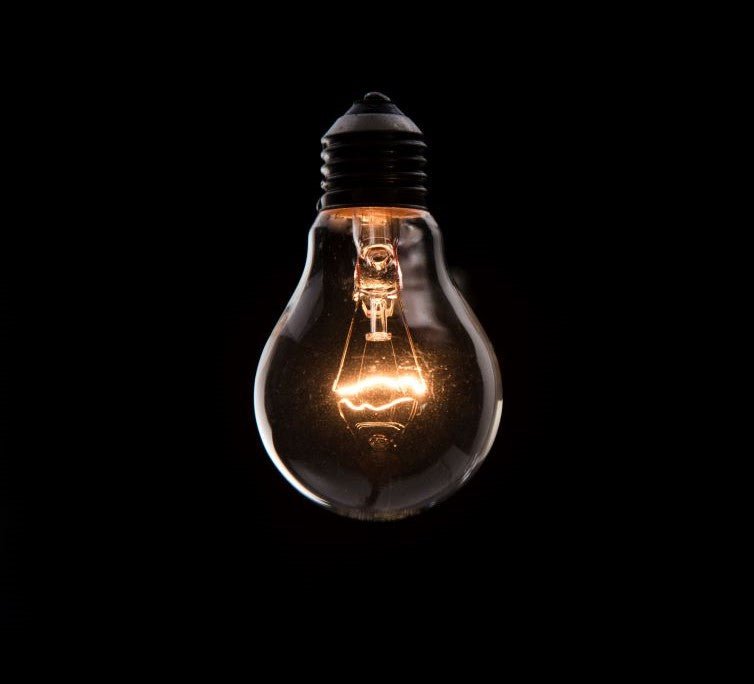
How Different Lighting Can Influence Your Mood and Productivity
Lighting plays a crucial role in shaping our mood and productivity. Natural light, in particular, is known to have positive effects on mental well-being. Exposure to daylight increases the production of serotonin, a hormone that boosts your mood and helps you feel more focused. On the other hand, inadequate lighting can result in feelings of irritability and lethargy. Therefore, it’s essential to consider how the lighting in your workspace or home can affect your energy levels and overall emotional state.
Furthermore, different types of artificial lighting can also impact your productivity. For instance, warm yellow light creates a cozy atmosphere but may induce relaxation, making it less suitable for work needing concentration. In contrast, cool white light is more invigorating and helps enhance alertness, making it ideal for tasks that require deep focus. Experimenting with various lighting setups can lead to discovering the perfect balance that fosters a conducive environment for both focus and creativity.
Counter-Strike is a popular tactical first-person shooter game that emphasizes teamwork and strategy. Players can choose to play as terrorists or counter-terrorists, engaging in various game modes and missions. For those looking to enhance their gaming experience, consider checking out the Top 10 iphone video accessories that can improve both performance and enjoyment. The game's competitive scene is robust, featuring numerous tournaments and a dedicated player base worldwide.
The Science of Lighting: How Color Temperature Affects Your Space
Understanding the science of lighting is crucial for creating the right ambiance in any space. One of the most significant factors in this science is color temperature, measured in Kelvin (K). Color temperature influences how we perceive light and can drastically affect the mood and functionality of a room. For instance, cooler temperatures (5000K–6500K), often labeled as 'daylight,' can energize a space, making it perfect for work areas or kitchens, while warmer temperatures (2700K–3000K) tend to create a cozy and inviting atmosphere, ideal for living rooms and bedrooms. Understanding these temperature ranges can help you choose the right lighting for your specific needs.
In addition to affecting mood, color temperature can also impact the aesthetics of your interior design. Light fixtures with different color temperatures can highlight or downplay various aspects of your decor. For example, warmer light can soften the appearance of a space, while cooler light can emphasize modern or minimalist designs. Using a mix of color temperatures within your home can create depth and interest. Remember to pay attention to how natural light enters a room throughout the day; this will help you select the right artificial lighting that complements the changing color temperatures of sunlight, enhancing the overall effect.
Lighting Choices that Transform Your Home: What the Experts Say
When it comes to lighting choices that transform your home, experts emphasize the importance of layering your lighting. This involves combining different types of lighting—ambient, task, and accent—to create a well-rounded atmosphere in any room. For instance, consider installing pendant lights over your kitchen island to provide focused illumination while also adding a decorative element. Additionally, using dimmers can enhance the mood of a space, allowing you to adjust the brightness according to the time of day or occasion.
Another crucial aspect highlighted by interior designers is the color temperature of light bulbs. Warm white tones (2700K-3000K) create a cozy and inviting environment, making them ideal for living rooms and bedrooms. On the other hand, cooler tones (4000K-5000K) are perfect for workspaces where concentration is key. As you explore lighting options, don't forget to consider the impact of natural light and how it interacts with your chosen fixtures. Proper placement of mirrors can help bounce light around a room, further enhancing the overall ambiance.