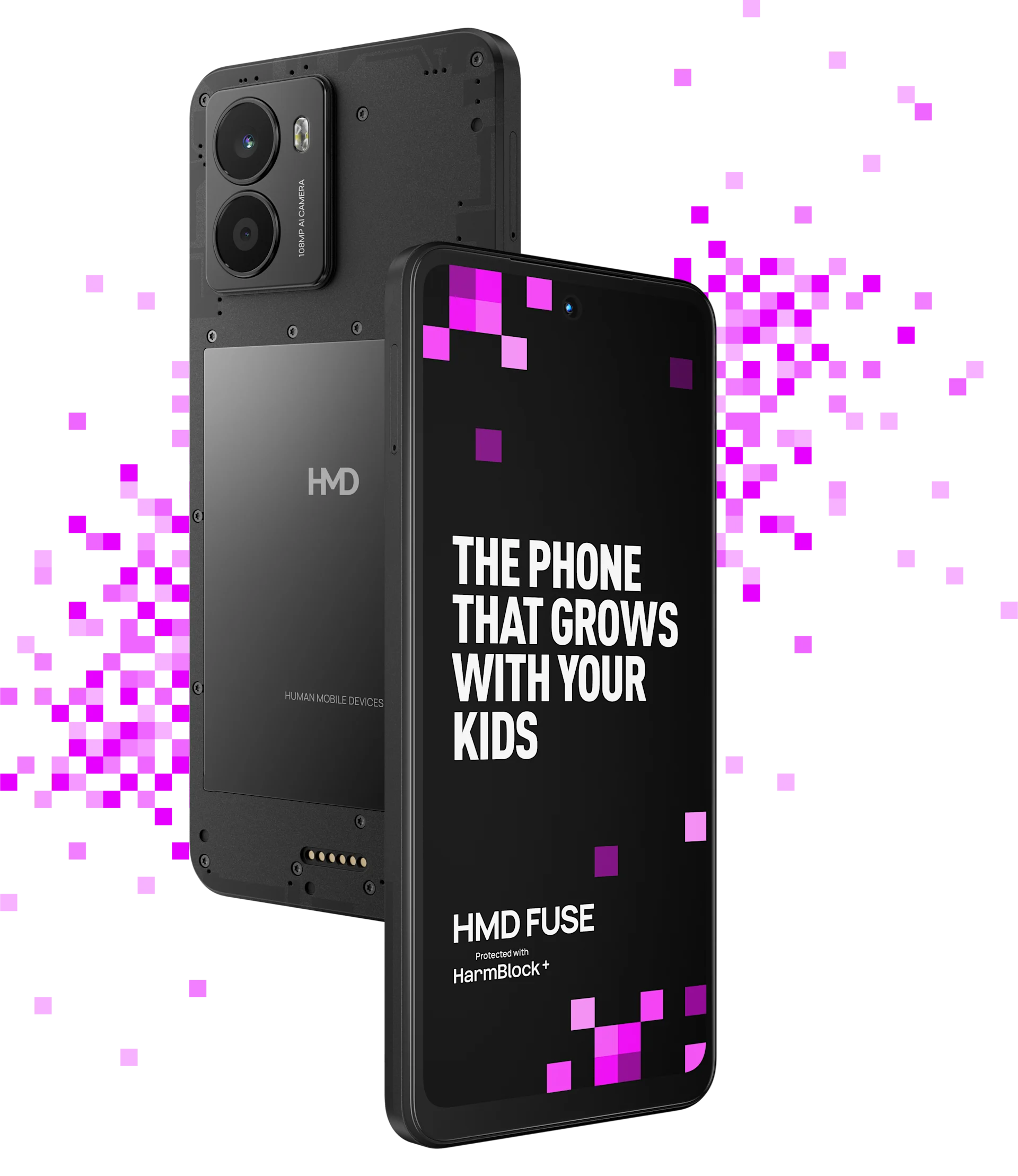
The Evolution of Mobile Devices: From Communication Tools to Lifelong Companions
The journey of mobile devices has been nothing short of remarkable, transforming from simple communication tools to essential companions in our daily lives. In the early days, mobile phones were primarily designed for voice calls, enabling users to stay connected on the go. As technology evolved, we witnessed the introduction of text messaging and rudimentary internet access, paving the way for the smartphones we rely on today. These advancements have not only revolutionized how we communicate but also how we consume information and interact with the world around us.
Today, mobile devices serve as lifelong companions, equipped with an array of features that extend far beyond communication. With powerful processors and high-resolution screens, smartphones function as portable entertainment centers, allowing users to stream videos, play games, and access social media effortlessly. Additionally, the integration of applications has transformed mobile devices into multifunctional tools for productivity, health tracking, and navigation. As we look to the future, it is clear that mobile technology will continue to develop, deepening its role in our lives and further blurring the lines between communication, entertainment, and personal assistance.
Counter-Strike is a popular first-person shooter game that pits teams of terrorists against counter-terrorists in various mission-based scenarios. Gamers strategize to complete objectives and eliminate their opponents, making it a thrilling competitive experience. If you're interested in secure storage solutions while gaming, check out the Top 10 RFID Blocking MagSafe Wallets for keeping your valuables safe.
How Smartphones Reshape Our Social Interactions: The Good, The Bad, and The Ugly
The advent of smartphones has profoundly altered the landscape of social interactions. On one hand, they have enabled us to connect with friends and family across the globe instantly. Platforms like Instagram, Facebook, and Twitter allow for real-time sharing of experiences, fostering a sense of community and belonging. Additionally, smartphones have made communication easier with features like video calls and instant messaging, which provide a level of intimacy previously unachievable in long-distance relationships.
However, the impact of smartphones on our social lives isn't universally positive. The phenomenon of digital isolation has emerged, where individuals may feel more comfortable engaging with a screen than with people in the same physical space. Furthermore, the prevalence of social media can lead to issues such as jealousy, anxiety, and a distorted sense of reality, as individuals compare their lives to the curated versions presented online. As we navigate this new era of communication, it is essential to find a balance between the benefits of connectivity and the potential pitfalls of excessive smartphone use.
Are We Too Dependent on Our Phones? Exploring the Psychological Impact of Mobile Companionship
In today's fast-paced digital age, it is increasingly common to hear concerns about our dependence on mobile devices. Are we too dependent on our phones? With options for instant communication, social media, and various applications at our fingertips, many individuals find it challenging to disconnect. This reliance is not merely a matter of convenience; it has deep psychological implications. Studies suggest that the constant engagement with our phones can lead to feelings of anxiety and depression, especially when notifications and social media interactions become integral to our daily routines. The psychological impact of mobile companionship extends beyond mere habit, affecting our mental well-being and interpersonal relationships.
Furthermore, this growing attachment to our devices can hinder face-to-face interactions, creating an illusion of companionship while leaving us feeling isolated. When we prioritize our screens over genuine connections, we risk diminishing our capacity for empathy and understanding in personal relationships. The need to continually check our phones can create a psychological dependence that affects our mood and self-esteem. As we explore the ramifications of this modern phenomenon, it becomes evident that recognizing and addressing our dependency on smartphones is critical not only for our mental health but also for fostering more meaningful connections in our lives.