Understanding the Role of Monitor Cables in Your Digital Setup
In today's digital landscape, understanding the role of monitor cables in your setup is crucial for achieving optimal performance. Monitor cables serve as the vital link between your computer and display, ensuring that data is transmitted accurately and efficiently. Different types of cables, such as HDMI, DisplayPort, and VGA, can significantly affect your visual experience. For instance, HDMI cables are widely used due to their ability to carry both audio and video signals, making them a popular choice for home entertainment systems and gaming setups. Meanwhile, DisplayPort cables offer higher bandwidth, supporting higher resolutions and refresh rates, ideal for professional content creators and gamers alike.
When selecting the appropriate monitor cable, consider factors like compatibility, resolution support, and the length of the cable needed for your setup. It’s important to remember that not all cables are created equal; investing in a high-quality cable can prevent issues such as signal degradation and flickering displays. Additionally, utilizing cables compliant with the latest standards ensures that your equipment is future-proofed against technological advancements. In conclusion, understanding the role of monitor cables and choosing the right type for your specific needs will enhance your overall digital experience.
Effective cable management is essential for maintaining an organized and clutter-free workspace, especially when using multiple monitors. Here are the Top 10 Cable Management Solutions for Monitors that can help keep your cables tidy and enhance your overall setup.
How to Choose the Right Monitor Cable for Your Needs
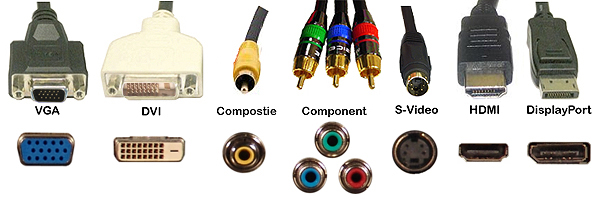
Choosing the right monitor cable is crucial for ensuring optimal performance and compatibility between your display and computer. There are several factors to consider before making a decision. First, identify the type of ports available on your monitor and your computer. Common types include HDMI, DisplayPort, DVI, and VGA. Depending on your needs, you may prefer a cable that supports high resolutions or refresh rates. For instance, if you’re a gamer, an HDMI 2.1 or a DisplayPort 1.4 cable might be essential to take full advantage of your monitor's capabilities.
Next, consider the length and quality of the cable. Longer cables can lead to signal degradation, so it's vital to strike a balance between sufficient length and maintaining signal integrity. It's often wise to invest in a higher-quality monitor cable to avoid performance issues such as flickering or inconsistent resolution. Additionally, always check the specifications and reviews to ensure you’re purchasing a reliable product that meets your specific requirements, whether for gaming, professional editing, or general use.
Common Questions About Monitor Cables: What You Need to Know
When it comes to monitor cables, there are several common questions that arise among users looking to enhance their setup. One of the first questions is, "What types of monitor cables are available?" The most popular options include HDMI, DisplayPort, DVI, and VGA. Each of these cables has its own unique features, such as HDMI supporting both audio and video, while DisplayPort is often favored for high-resolution displays and multi-monitor setups. Understanding these differences can help you choose the right cable for your needs.
Another prevalent question is, "How do I know which monitor cable is compatible with my devices?" To answer this, check the ports available on both your monitor and computer. Most modern devices support HDMI or DisplayPort, but older models might use DVI or VGA. It's essential to read the specifications of your equipment and ensure compatibility. If you find that you have different port types, consider using an adapter, but be aware that this might impact performance. Always aim for the highest quality connection to achieve the best visual results.