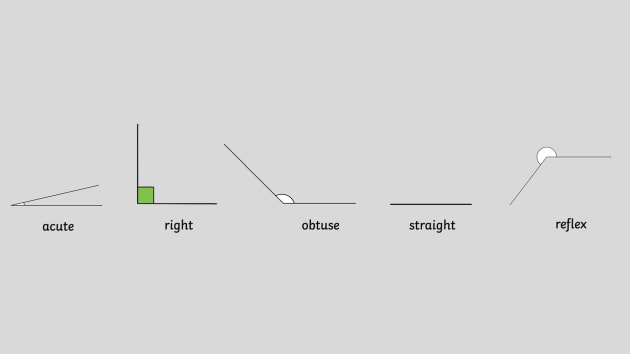
The Art of Angles: How Right Angles Influence Design and Perspective
The concept of right angles is fundamental in design, influencing both structure and aesthetics. In architecture and graphic design, the use of right angles creates a sense of order and balance, allowing the viewer's eye to navigate the space easily. For instance, consider the layout of a webpage: when elements are aligned at right angles, it enhances readability and user experience. Moreover, right angles can lead to the creation of grid systems, which serve as a backbone for many design projects, ensuring that everything from text to images falls neatly into place for a harmonious overall look.
From a broader perspective, the use of right angles extends beyond traditional design fields into photography and visual arts. In these areas, right angles play a critical role in framing shots and guiding the viewer's gaze. For example, when photographers position their subjects at right angles to the camera, they often create dynamic tension and interest, drawing attention to the main focus of the image. Ultimately, understanding how right angles influence design and perspective can elevate one's work, fostering a deeper appreciation for the balance, symmetry, and clarity they bring to creative endeavors.
If you're looking for convenience and flexibility when charging your devices, consider the Top 10 Right Angle USB C Cables. These cables are designed to fit snugly in tight spaces without bending, making them perfect for use with laptops, gaming consoles, and more. With a variety of lengths and types available, you're sure to find the right option that meets your needs.
Seeing in 90 Degrees: Innovative Ways to Use Right Angles in Everyday Life
Incorporating 90-degree angles in our daily lives can enhance both functionality and aesthetics. From interior design to urban planning, right angles play a crucial role in achieving balanced and harmonious environments. For instance, when arranging furniture in a room, consider utilizing right angles to create a more organized layout. By positioning your sofa at a 90-degree angle to the walls, you can optimize flow and make the most of your space, ultimately enhancing your living experience.
Moreover, 90-degree angles are not only limited to physical spaces; they can also be creatively applied in various DIY projects and crafts. Consider using a simple set of right angles to construct custom shelving or artwork. By cutting materials at 90 degrees, you ensure precise edges that fit together seamlessly, resulting in a polished final product. Embracing the beauty and practicality of right angles in your projects can lead to innovative designs that capture attention and showcase your creativity.
Why Do Right Angles Matter? Exploring Their Impact on Architecture and Art
Right angles play a crucial role in both architecture and art, providing a sense of order and balance. In architecture, the use of right angles allows for the creation of stable structures that can withstand various forces. Buildings designed with right angles tend to be more functional, maximizing space while ensuring that the layout is logical and efficient. For example, in residential design, right angles help in creating rooms that serve specific purposes, facilitating comfortable living. Moreover, right angles contribute to the aesthetic appeal of architectural designs, lending a clean and structured look that is pleasing to the eye.
In the realm of art, right angles are equally significant, offering artists a framework within which to express their creativity. Many famous artworks harness the power of right angles to create dynamic compositions that guide the viewer's eye and create a visual narrative. Artists like Piet Mondrian utilized right angles in his abstract works to emphasize harmony and order. Furthermore, the precision of right angles in art often leads to deeper conceptual meanings, reinforcing themes of balance, contrast, and perspective. This intersection between architecture and art illustrates how right angles are not just geometric constructs but essential elements that shape our understanding of space and structure in diverse fields.