5 Essential Tools Every DIYer Needs to Tackle Any Project
When it comes to DIY projects, having the right tools at your disposal can make all the difference in ensuring a successful outcome. Here are 5 essential tools every DIYer should have:
- Hammer: A reliable hammer is crucial for driving nails into wood and other materials. Opt for a claw hammer for versatile use.
- Screwdriver Set: A comprehensive screwdriver set, including flathead and Phillips screwdrivers, is indispensable for assembling furniture or tackling electrical projects.
- Measuring Tape: Accurate measurements are vital in DIY projects, making a measuring tape an essential tool for achieving precise cuts.
- Utility Knife: A sharp utility knife is perfect for cutting through various materials, including cardboard, drywall, and more.
- Power Drill: A cordless power drill offers convenience and efficiency for drilling holes and driving screws in a variety of projects.
With these 5 essential tools in your toolkit, you'll be well-equipped to tackle any DIY project that comes your way. Whether you're building a shelf, painting a room, or even embarking on larger renovations, having the right tools not only boosts your productivity but also enhances the quality of your work. Always remember to prioritize safety by using protective gear and following proper procedures to avoid accidents.
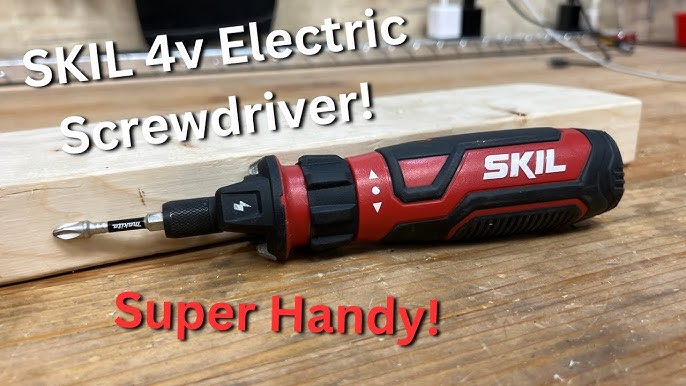
Counter-Strike is a highly popular first-person shooter game that pits teams of terrorists against counter-terrorists in a variety of gameplay modes. Players can choose to play as either side, aiming to complete objectives such as planting or defusing a bomb. For those looking to enhance their gaming experience, checking out the Top 10 Rechargeable Electric Screwdrivers can be quite beneficial for maintaining and upgrading hardware. The strategy, teamwork, and skill involved have kept the game alive in the esports scene for years.
How to Diagnose and Fix Common Household Repairs Like a Pro
Diagnosing and fixing common household repairs can seem daunting, but with the right approach and a bit of knowledge, you can tackle these tasks like a pro. Start by identifying the issue: Is it a leaky faucet, a running toilet, or maybe a flickering light? Each of these problems has its own set of diagnostics. For instance, if your faucet is dripping, check for worn-out washers or loose fittings. Keep a toolkit handy, as basic tools such as screwdrivers, pliers, and wrenches can make most repairs easier. Make sure to turn off the water and electricity when necessary to ensure safety before diving into repairs.
Once you’ve pinpointed the problem, it’s time to roll up your sleeves and get to work. Follow an ordered list of steps for repairs:
- Gather necessary tools and materials.
- Turn off utilities as needed.
- Carefully disassemble the affected area.
- Replace or repair the broken components.
- Reassemble and test the repair.
DIY Safety: What You Need to Know Before Starting Your Next Project
When embarking on a DIY project, DIY safety should always be your top priority. Whether you're tackling home improvement, crafting, or any hands-on task, understanding the potential hazards and how to mitigate them is crucial. First and foremost, assess your workspace and ensure it is tidy and free of hazards. A clutter-free environment reduces the risk of accidents. Additionally, it is essential to wear appropriate safety gear, such as gloves, goggles, and dust masks, depending on the nature of your project. Always follow manufacturer instructions and guidelines for tools and materials; neglecting these can lead to serious injuries.
Before diving into your next project, consider taking the time to educate yourself on necessary safety precautions. Here are a few DIY safety tips to keep in mind:
- Conduct thorough research on the tools you will be using.
- Make sure you have the right materials for the job.
- Keep a first-aid kit accessible in case of minor injuries.
- Never work alone on tasks that require heavy lifting or high-risk activities.