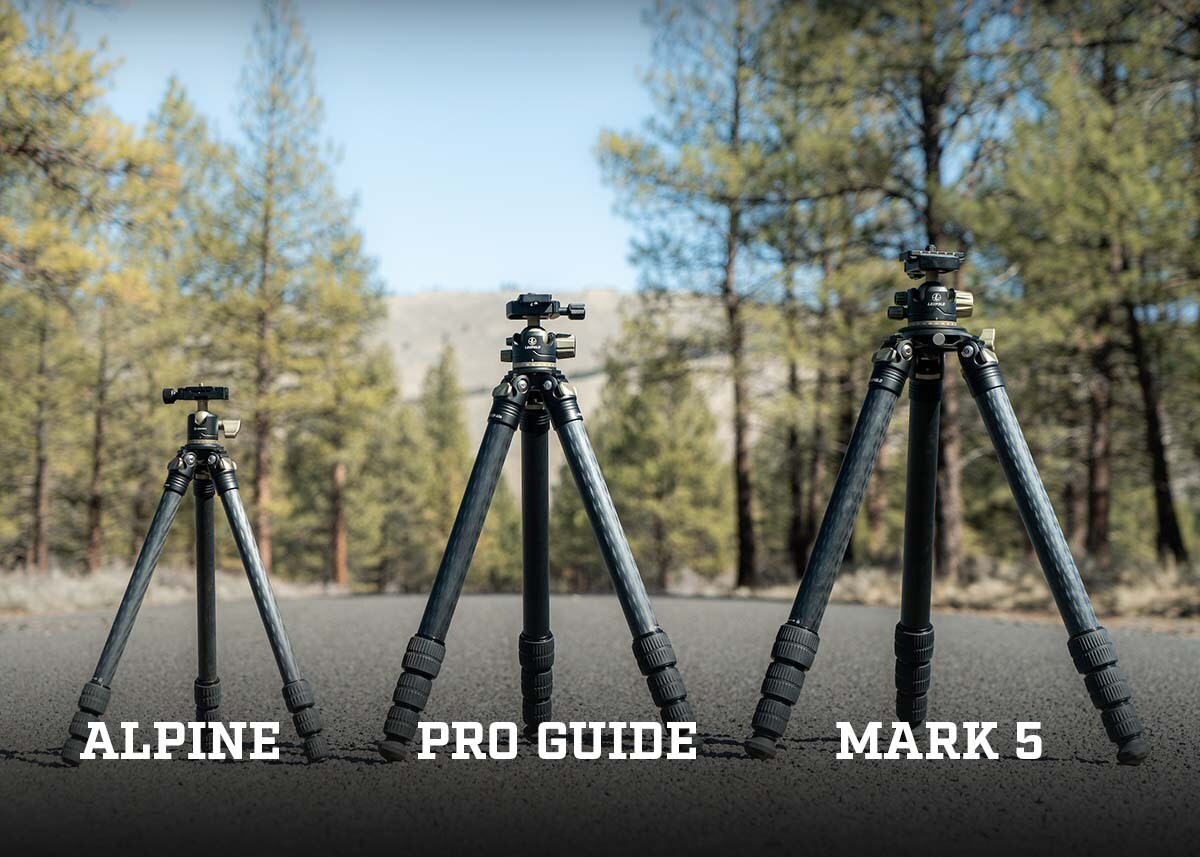
5 Tips for Mastering Stability with Your Tripod
Using a tripod effectively is crucial for achieving sharp and stable images. Here are five tips for mastering stability with your tripod:
- Choose the Right Tripod: Make sure your tripod is appropriate for your camera’s weight and your shooting environment. A heavier tripod provides more stability, while a lightweight model is easier to transport.
- Extend the Legs Properly: Avoid extending the top section of the tripod legs as much as possible; instead, use the lower sections. This keeps your center of gravity low, enhancing stability.
Another key element to mastering stability is ensuring the tripod is on a stable surface. When shooting outdoors, place your tripod on solid ground, and if necessary, use tripod spikes to dig into soft surfaces. Additionally, always check that the tripod is level with a built-in bubble level or an external leveling tool. Finally, consider using a remote shutter release or your camera's timer to prevent any movement that might occur from pressing the shutter button.
- Use Weights: Adding weight to your tripod can provide extra stability, especially in windy conditions. Many tripods come with a hook for this purpose.
- Practice Patience: Take your time in setting up your shot and adjusting your tripod for optimal stability. Rushing can lead to shaky images!
Counter-Strike is a highly popular first-person shooter game that pits teams of terrorists against counter-terrorists in a battle to complete objectives or eliminate the opposing team. Its strategic gameplay, combined with skillful shooting mechanics, has made it a staple in the esports community. For those interested in enhancing their mobile content creation, check out the Top 10 Mobile Vlogging Accessories to take your videos to the next level.
How to Choose the Right Tripod for Dance Photography
When it comes to capturing the elegance and dynamism of dance, choosing the right tripod can make all the difference. Consider stability as a primary factor; a sturdy tripod will ensure that your camera remains steady, preventing any unwanted motion blur during those fast-paced dance moves. Look for tripods made from robust materials like aluminum or carbon fiber, which not only provide durability but also enhance portability. Additionally, consider the tripod's weight capacity—make sure it can support your camera and lens setup without compromise.
Another crucial aspect to consider is the height and adjustability of the tripod. Since dance photography often requires various angles and perspectives, a tripod with adjustable legs and a multi-directional head can be invaluable. This feature allows you to position your camera at the ideal height and angle, whether you're shooting from above a dancer or at ground level. Lastly, don't overlook the importance of quick-release plates, which enable you to swiftly transition between handheld shots and tripod stability, ensuring you never miss a moment of the performance.
Common Mistakes in Tripod Setup and How to Avoid Them
Setting up a tripod may seem straightforward, but many photographers fall into common traps that can compromise the stability and effectiveness of their shots. One of the most frequent mistakes is failing to extend the tripod legs properly. Photographers often extend only the upper leg sections, which can lead to instability. To avoid this, remember to fully extend the lower leg sections first, as this will lower the center of gravity and enhance stability.
Another prevalent error is not leveling the tripod. An uneven surface can result in warped images and disturbing horizons. Ensure your tripod's head is level by using a built-in bubble level or adjusting the legs until everything is even. Additionally, always check your tripod's legs for dirt or sand, as debris can affect their locking mechanisms. Regular maintenance and setup checks can prevent unexpected issues during your shoot.