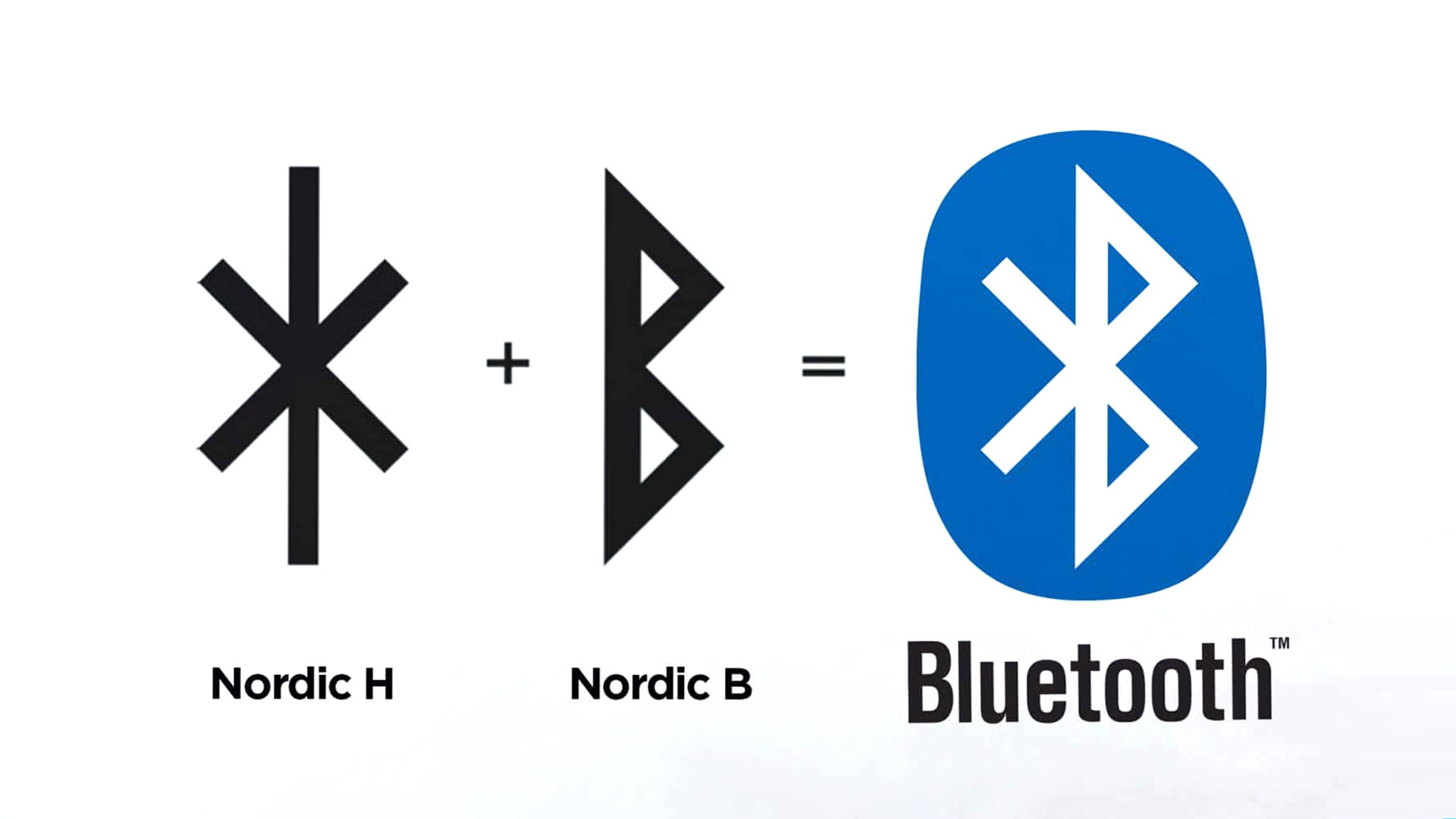
How Bluetooth Transformed the Way We Connect Our Devices
Bluetooth technology has dramatically changed the way we connect our devices since its inception. Originally developed in the late 1990s, Bluetooth allows consumers to establish wireless connections between devices such as smartphones, headphones, and laptops without the clutter of cables. This unprecedented convenience has not only simplified everyday tasks but has also paved the way for the proliferation of smart technology in homes, cars, and workspaces. As a result, users have embraced a more integrated lifestyle where their devices communicate seamlessly, empowering them to access information and media effortlessly.
Furthermore, the versatility of Bluetooth has led to its integration across a range of industries. From healthcare devices that monitor patient vitals to smart speakers that allow voice-activated controls, Bluetooth has redefined the way we interact with technology. The protocol's continuous advancements—such as increased range, speed, and energy efficiency—have made it a foundational technology in the Internet of Things (IoT). As we move forward, the potential for Bluetooth to facilitate even more innovative applications is limitless, ensuring that the way we connect our devices will only continue to evolve.
Counter-Strike is a popular first-person shooter game that has captivated players worldwide with its competitive gameplay and strategic team-based mechanics. Players can enhance their gaming experience with various accessories, such as the Top 10 airpods accessories that provide improved sound quality and comfort.
The Hidden Benefits of Bluetooth: Why You Should Care
Bluetooth technology has evolved significantly, becoming an integral part of our daily lives. One of the most notable hidden benefits of Bluetooth is its ability to enhance productivity and convenience. For instance, with Bluetooth devices like headphones, keyboards, and speakers, users can enjoy hands-free operation, allowing them to accomplish tasks more efficiently. Imagine being able to answer calls or listen to podcasts without being tethered to your device; this level of freedom can lead to increased multitasking and a more seamless workflow.
In addition to productivity benefits, Bluetooth also promotes energy efficiency. Many Bluetooth-enabled devices are designed to consume less power compared to traditional wired alternatives. This energy efficiency not only helps extend battery life but also contributes to a more sustainable environment by reducing overall energy consumption. Moreover, the growing ecosystem of Bluetooth technologies, including smart home devices and wearables, further enhances convenience, enabling users to control various aspects of their homes and health from a single platform.
Is Bluetooth the Future of Seamless Connectivity?
As technology continues to evolve, Bluetooth has emerged as a frontrunner in the race toward seamless connectivity. Originally designed for short-range data transfer between devices, Bluetooth technology has undergone substantial enhancements, enabling faster speeds and broader range. The advent of Bluetooth 5.0 and beyond has paved the way for improved features such as low energy consumption, which is crucial for battery-powered devices. This has made Bluetooth not only a practical choice for personal gadgets like headphones and smartwatches but also an essential part of the Internet of Things (IoT), where countless devices communicate effortlessly.
Moreover, the future looks even brighter for Bluetooth as it becomes a cornerstone of important developments in various sectors. With its integration into smart homes, healthcare appliances, and automotive technology, Bluetooth is setting the stage for a more interconnected world. As consumer demand for seamless connectivity grows, we can expect to see further innovations that enhance the user experience, such as automatic device pairing and improved security protocols. Ultimately, the evolution of Bluetooth suggests that it may very well play a pivotal role in defining the landscape of connectivity in the years to come.