The Paradox of Transparency: How Anonymity Thrives in the Blockchain Space
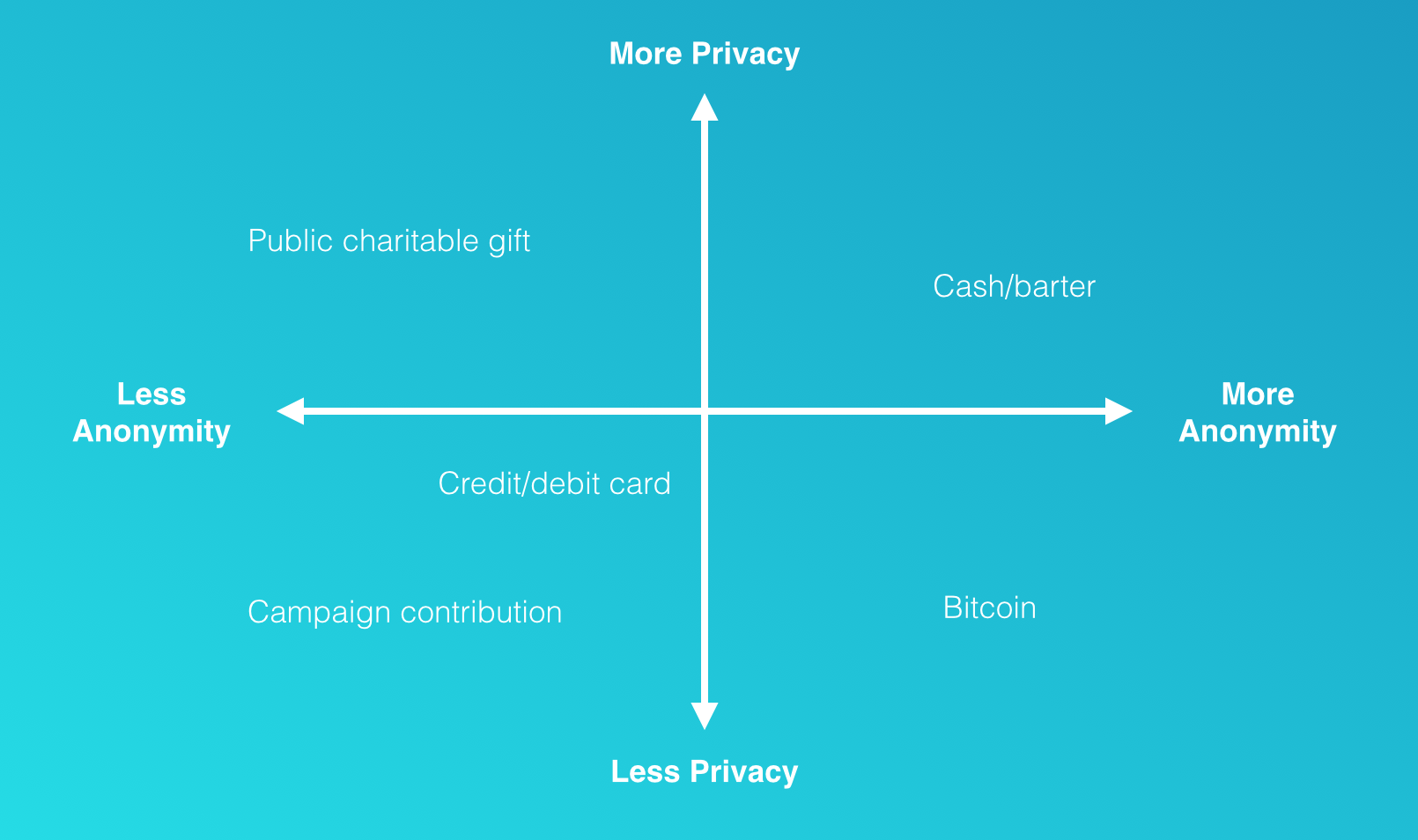
The advent of blockchain technology has often been touted as a revolution in transparency, offering a tamper-proof ledger that anyone can access and verify. However, this very transparency creates a paradox: while all transactions are publicly visible, the identities behind these transactions often remain obscured. In platforms like Bitcoin and Ethereum, users are identified only by their cryptographic addresses, which creates an illusion of anonymity. This unique characteristic allows for the thriving of a culture of anonymity within the blockchain space, where individuals can engage freely without revealing their personal details, fostering a sense of privacy that starkly contrasts with the transparency touted by blockchain advocates.
This embrace of anonymity is particularly appealing in contexts where trust is a scarce commodity. Many users are drawn to blockchain precisely for its ability to shield their identities while participating in various activities, from trading digital assets to contributing to decentralized finance (DeFi) projects. As anonymity thrives, it raises important questions about accountability and the future of regulatory oversight within the space. The challenge lies in balancing the fundamental principles of transparency inherent in blockchain technology with the undeniable demand for personal privacy, paving the way for complex discussions around ethical considerations and the potential need for regulatory frameworks.
Counter-Strike is a popular multiplayer first-person shooter game that has captivated gamers around the world. Players can engage in thrilling tactical gameplay, competing in teams to complete objectives or eliminate opponents. For those looking to enhance their gaming experience, check out the cryptocasino.com promo code to unlock exciting bonuses.
Behind the Mask: The Real Identities of Crypto's Most Influential Anonyms
The world of cryptocurrency is often shrouded in mystery, with many of its most influential figures operating under pseudonyms. These individuals, sometimes referred to as the crypto elite, have made significant contributions to the blockchain ecosystem, yet their true identities remain hidden. Notable among them are names like Satoshi Nakamoto, the enigmatic creator of Bitcoin, whose anonymity has sparked endless speculation and debate within the community. Another figure, Vitalik Buterin, co-founder of Ethereum, has a more transparent presence, but many of his early contributions were made under the radar, highlighting the duality of anonymity in the crypto world.
Understanding the motivations behind these cryptic identities can provide valuable insights into the ethos of cryptocurrency itself. Many of these influential figures champion decentralization and privacy, advocating for a system where trust is placed in technology rather than individuals. This perspective suggests a broader movement towards transparency, as anonymity allows for the freedom to innovate without fear of backlash. As the crypto landscape continues to evolve, uncovering the real identities of these influential anonyms may reveal a fascinating tapestry of personalities and philosophies that have shaped the monetary future.
Is True Anonymity Possible in Cryptocurrency? Exploring the Limits of Privacy
In the ever-evolving landscape of cryptocurrency, the quest for true anonymity remains a highly debated topic. While digital currencies like Bitcoin offer pseudonymity, where users' identities are not directly linked to their transactions, the public nature of the blockchain raises concerns about privacy. With advanced blockchain analysis techniques, transactions can potentially be traced back to individuals, revealing personal information and financial behaviors. Therefore, while cryptocurrencies can enhance privacy to a certain extent, they fall short of providing complete anonymity. This leads to the question: can we achieve true anonymity in the cryptocurrency sphere?
Several privacy-focused cryptocurrencies have emerged to address the limitations of traditional coins. For instance, coins like Monero and Zcash utilize advanced cryptographic techniques to obscure transaction details, making it significantly harder to trace users. However, even these technologies are not foolproof; various factors such as user behavior, regulatory scrutiny, and technological advancements continue to challenge the concept of true anonymity. As blockchain technology matures, the balance between privacy and compliance will significantly shape the future of cryptocurrencies, highlighting the ongoing struggle between user confidentiality and regulatory oversight.