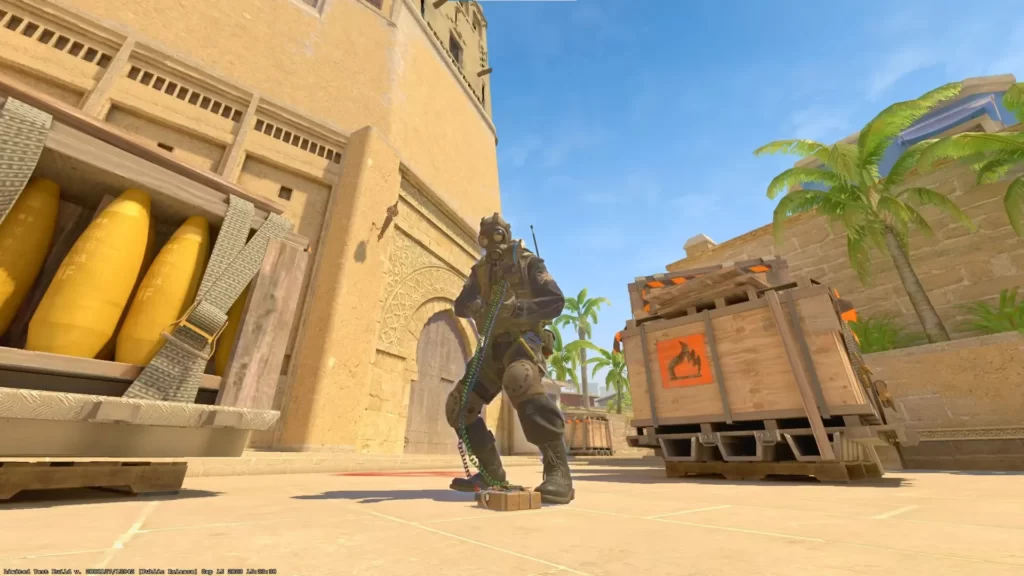
Top 5 Must-Play CS2 Bomb Defusal Maps for Competitive Play
In the ever-evolving landscape of Counter-Strike 2 (CS2), mastering the right bomb defusal maps can significantly enhance your competitive play. Whether you're a seasoned veteran or a newcomer, understanding the intricacies of these maps is crucial for developing strategies and improving communication with your team. Here are the Top 5 Must-Play CS2 Bomb Defusal Maps that you can't afford to miss:
- Mirage - A fan-favorite due to its balanced layout, Mirage offers a blend of open spaces and tight corridors that require precise teamwork and communication.
- Inferno - Known for its strategic choke points and varied pathways, Inferno challenges players to think critically about both offense and defense.
- Nuke - This vertically-oriented map forces players to navigate complex levels while considering sightlines and control of crucial areas.
- Overpass - With its unique blend of open areas and tight corners, Overpass encourages dynamic gameplay and effective use of utilities.
- Dust II - A classic staple in the CS franchise, Dust II's simple design belies its depth and requires players to be both tactically aware and skillful.
Counter-Strike is a popular tactical first-person shooter that has captivated gamers since its inception. Players are divided into two teams, terrorists and counter-terrorists, and must complete objectives or eliminate the opposing team. However, players may encounter issues such as when some of your game files have been detected cs2, which can impact their gaming experience.
A Comprehensive Guide to Mastering CS2 Bomb Defusal Strategies
In CS2, mastering bomb defusal strategies can significantly enhance your team's chances of success. The core objective revolves around efficiently defusing the bomb while ensuring your team's safety. Here are some key strategies to consider:
- Communication is Key: Constantly communicate with your teammates about enemy positions and potential threats. Use voice chat or in-game commands to share crucial information.
- Map Knowledge: Familiarize yourself with the maps. Understanding where bombs are typically planted and common hiding spots for enemies can allow you to preemptively strategize your approach.
- Use Utility Wisely: Smoke grenades, flashbangs, and molotov cocktails can be pivotal in creating diversions or isolating enemies to ensure a safer defusal.
Another essential aspect of bomb defusal in CS2 is the role of each team member. Each player should understand their position and responsibilities:
- Entry Fragger: This player should lead the charge, clearing pathways and taking out enemies as you approach the bomb site.
- Support Player: Providing necessary cover, the support player helps manage threats while the defuser works on the bomb.
- Defuser: The designated defuser should be able to focus solely on defusing without worrying about enemy presence. This is why teamwork and proper positioning are essential.
What Makes a Great Bomb Defusal Map in CS2?
Creating a great bomb defusal map in CS2 requires a careful balance of design, strategy, and functionality. First and foremost, the layout should facilitate multiple strategies for both the attackers and defenders. A well-designed bomb site offers varied terrain, including open areas for long-range engagements and tight corners for close combat. This variety ensures that players can adopt different tactics, keeping gameplay dynamic and exciting. Additionally, the integration of cover spots and alternative routes can provide teams with strategic options, allowing for surprise flanks and defensive holds. The choice of materials and aesthetics should also enhance the immersion without distracting players, contributing to a cohesive environment that feels authentic and engaging.
Moreover, effective gameplay flow is crucial for a bomb defusal map. This involves not only ensuring that players can navigate the map easily but also that they can quickly react to the unfolding action. Key aspects include well-placed spawn points, which should minimize travel time while maximizing engagement opportunities. A great map should introduce elements that promote teamwork, such as designated communication points or shared cover. It's also vital to consider the balance between the two teams, ensuring neither side has an unfair advantage. Incorporating feedback from the gaming community during the map design process can lead to continuous improvements, making the map not only fun but also competitive.