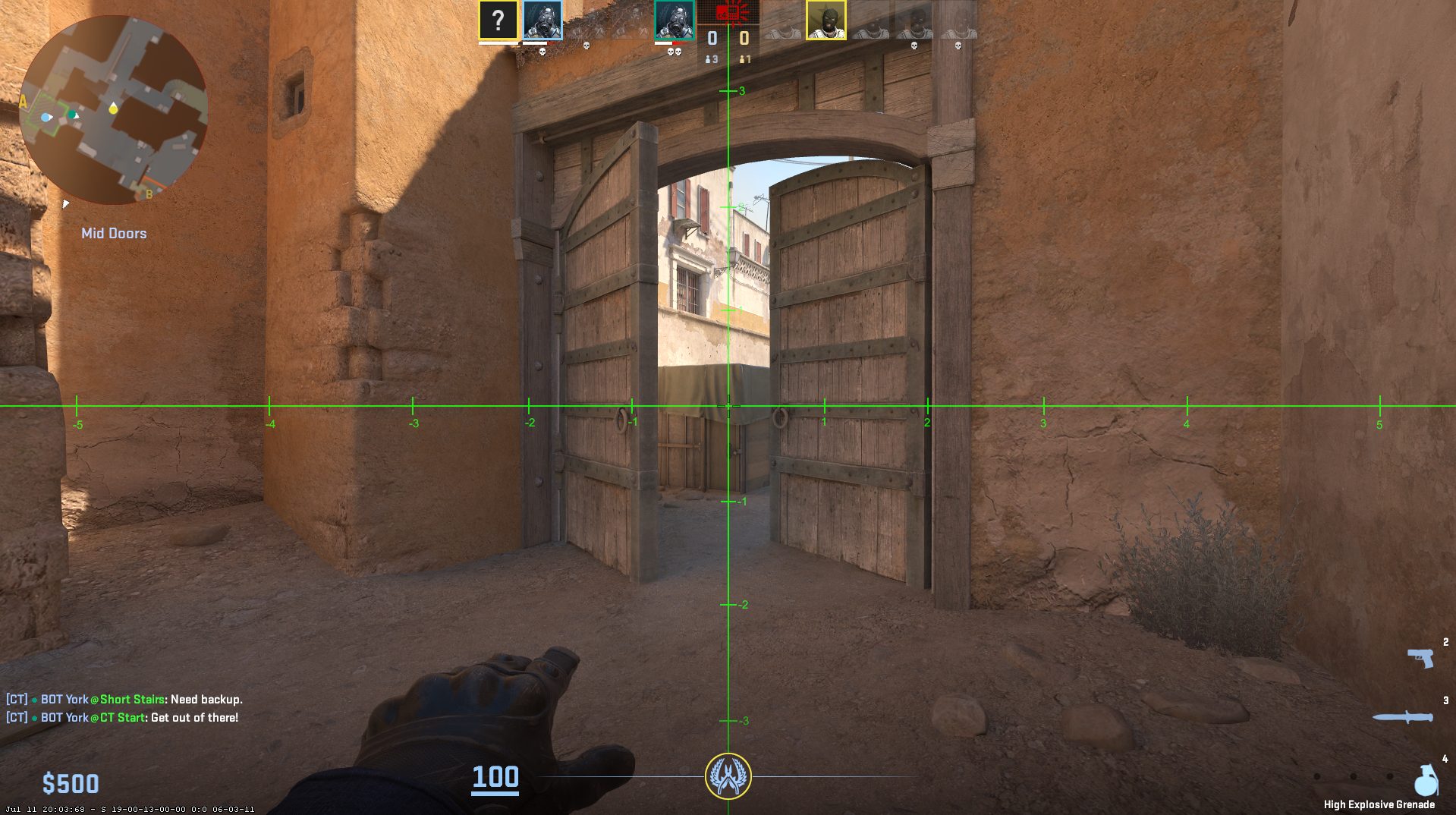
Top 10 Grenade Tips to Dominate in CS2
When it comes to mastering grenades in CS2, understanding their types and uses is crucial. Here are the top ten tips to enhance your grenade gameplay:
- Know Your Grenades: Familiarize yourself with the different types of grenades: smoke grenades, flashbangs, molotovs, and HE grenades. Each has a unique purpose that can turn the tide of battle.
- Practice Your Throws: Spend time in custom games to practice grenades throws. Learning specific spots will allow you to throw grenades with precision during matches.
- Communicate with Your Team: Always call out your grenade usage. Informing teammates about your plans will help them position themselves to capitalize on the effects of your grenades.
- Use Smoke Grenades Strategically: Using smoke grenades to block enemy sightlines can provide crucial cover for your team, especially during bomb plant or defusal situations.
- Timing is Everything: Use flashbangs at the optimal moment. Throwing them too early or too late can ruin an engagement, so anticipate enemy movements for maximum effectiveness.
The final five grenade tips to ensure you dominate in CS2 are designed to refine your skills and enhance team synergy:
- Learn Molotov Use: Molotov cocktails can deny areas to the enemy, so learn to throw them effectively to control choke points.
- Combine Grenade Types: Pairing flashbangs with HE grenades can deal significant damage while blinding opponents, maximizing your chances of a successful kill.
- Adjust for Map Knowledge: Each map has unique grenade spots. Learn these locations and practice them as part of your regular game strategy.
- Play the Economy: Be mindful of your team's economy. Buying grenades should be part of your strategy to ensure you have the resources for both weaponry and utility.
- Review and Learn: After each match, take the time to review your grenade usage. Evaluate what worked and what didn’t to continually improve your gameplay.
Counter-Strike is a highly popular first-person shooter game that has captivated gamers for years with its team-based gameplay and strategic elements. Players engage in intense matches where they take on the roles of terrorists or counter-terrorists, aiming to complete objectives or eliminate the opposing team. Those looking to enhance their performance often seek personalized configurations, such as snax settings, to optimize their gameplay experience.
Understanding Grenade Physics: How to Master Tactical Throws
Understanding grenade physics is crucial for mastering tactical throws in high-pressure situations. Grenades operate based on principles of ballistics, which dictate their trajectory, range, and explosion timing. When understanding the dynamics, remember key factors such as velocity, angle of release, and air resistance. For effective tactical throws, aim for a release angle of approximately 45 degrees to maximize distance. Additionally, calculating the grenade's arc is essential in achieving accuracy, especially in varying combat environments.
Once you grasp the fundamentals of grenade physics, practice is the next step in mastering your throws. Use an appropriate weight training grenade to gain familiarity with its feel and throw distance. Consistent drills can help improve not just your throw accuracy but also your speed and reaction time. As you practice, focus on adjusting your techniques based on target distance and obstacles. Remember, the key to mastering tactical throws lies in a combination of understanding the science behind the grenade and refining your physical throwing skills.
The Ultimate Guide to Grenade Types: When and How to Use Them Effectively
When discussing grenade types, it is essential to understand the various categories available, as well as their specific uses on the battlefield. The primary types include fragmentation grenades, which are designed to explode and send shrapnel flying in all directions, making them effective for taking out enemy personnel. Smoke grenades serve a different purpose by creating a cloud of smoke to obscure vision, allowing for tactical maneuvers or covering an escape. Flashbangs, on the other hand, are employed to disorient enemies with a bright flash and loud bang, giving an advantage during a raid or ambush. Each of these explosives has unique features that can be crucial depending on the mission at hand.
Knowing when and how to use grenades effectively requires training and strategy. For instance, before deploying a fragmentation grenade, it is vital to assess the enemy's position and the surrounding environment to minimize collateral damage. In contrast, smoke grenades should be thrown to provide cover when advancing or retreating, while ensuring that wind direction does not hinder their effectiveness. Here's a quick guide:
- Fragmentation grenades: Use in open spaces against concentrated enemy troops.
- Smoke grenades: Utilize to block enemy sightlines during movement.
- Flashbangs: Implement in close-quarter engagements to create confusion.