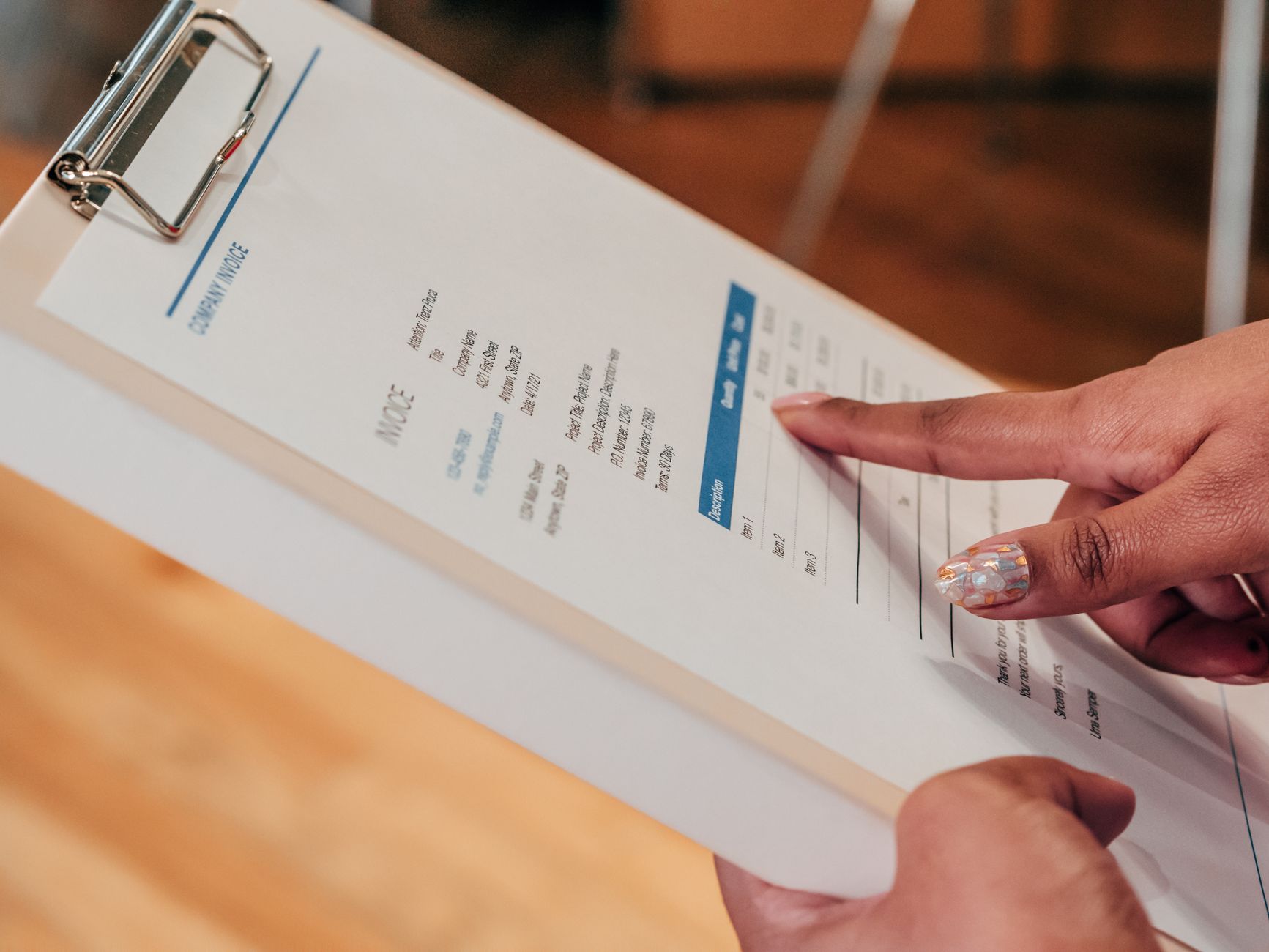
Cracking the Code: What Even *Is* E-Invoicing and Why Should I Care?
At its core, e-invoicing is simply the exchange of invoices between a supplier and a buyer in an electronic format, but don't confuse it with just emailing a PDF! True e-invoicing involves structured data that can be automatically processed by accounting systems, eliminating manual data entry and its associated errors. Think of it as a digital handshake between financial systems, where information like invoice number, line items, and payment terms are transmitted without human intervention. This shift from paper or unstructured digital documents (like scanned images or PDFs) to a standardized, machine-readable format is what unlocks a cascade of benefits, making it a pivotal move for businesses aiming for greater efficiency and accuracy in their financial operations.
So, why should you, as a business owner or financial professional, genuinely care about this seemingly bureaucratic shift? The 'why' boils down to significant improvements in your bottom line and operational efficiency. E-invoicing drastically reduces processing times, cuts down on printing and postage costs, and minimizes the risk of human error associated with manual data entry. Furthermore, it enhances transparency, improves cash flow forecasting, and strengthens compliance with a growing number of national and international regulations. Consider the cumulative impact of these benefits:
- Faster payments: Less processing time means quicker approval and payment cycles.
- Reduced errors: Automated data transfer eliminates manual input mistakes.
- Enhanced compliance: Easier adherence to evolving legal requirements.
E-invoicing for SMEs can dramatically streamline financial operations, reducing manual errors and accelerating payment cycles. By adopting e-invoicing for SMEs, businesses can enhance efficiency, improve cash flow, and ensure compliance with regional regulations, allowing them to focus more on growth and less on administrative tasks.
Your E-Invoicing Action Plan: Practical Steps for a Smooth Transition (and Answering Your Burning Questions)
Embarking on the journey to e-invoicing doesn't have to be a daunting task. A well-structured action plan is your compass, guiding you through the complexities to a smooth transition. Start with a thorough assessment of your current invoicing processes, identifying bottlenecks and areas for improvement. This initial deep dive will inform your choice of e-invoicing solution, ensuring it aligns perfectly with your business needs and existing infrastructure. Next, prioritize stakeholder engagement; brief your finance, IT, and legal teams on the upcoming changes, emphasizing the benefits like reduced operational costs and enhanced compliance. Consider forming a dedicated project team to oversee the implementation, ensuring clear communication and accountability at every stage. Remember, preparation is key to unlocking the full potential of e-invoicing.
Once the groundwork is laid, your action plan shifts towards practical implementation and ongoing optimization. This includes selecting the right e-invoicing platform – one that offers robust security, scalability, and seamless integration capabilities. Don't shy away from asking your burning questions during vendor demonstrations:
"How does your solution handle different regional compliance requirements?" or "What kind of support is available during and after implementation?"Following selection, focus on comprehensive staff training. Equip your team with the knowledge and skills to navigate the new system confidently. Finally, establish a clear process for monitoring and evaluating the transition's success, using KPIs such as processing time reductions and error rate improvements. Regular reviews will allow for continuous refinement, ensuring your e-invoicing system remains efficient and compliant long-term.