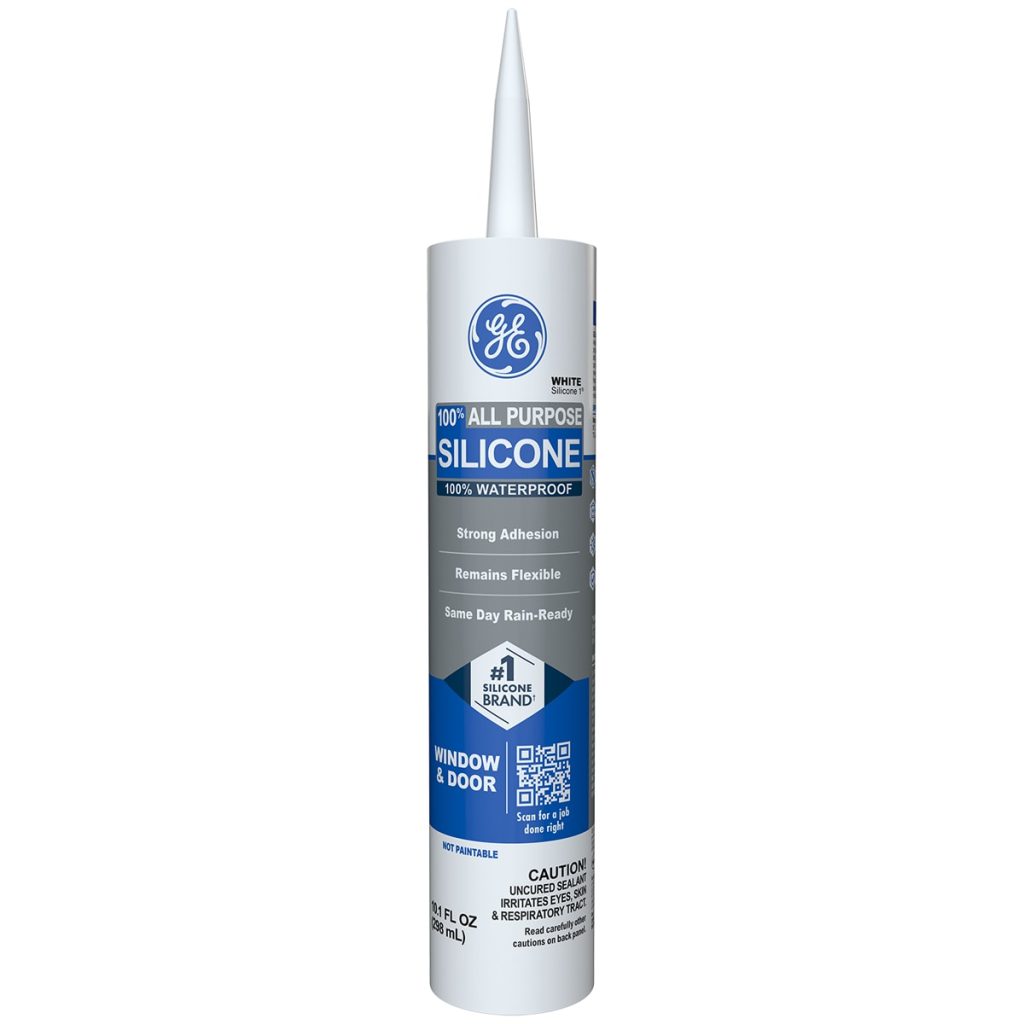
The Incredible Versatility of Silicone: Everyday Uses You Never Knew About
Silicone has emerged as one of the most versatile materials in modern life, finding its way into countless everyday products. Its unique properties, such as flexibility, heat resistance, and water repellency, make it an ideal choice for both household and industrial applications. Some surprising uses of silicone include silicone bakeware, which allows for effortless food release and easy cleanup, and silicone-based sealants that provide durable waterproofing in homes. Beyond the kitchen and construction, silicone is also found in personal care items like silicone spatulas and makeup applicators that enhance both functionality and safety.
Furthermore, the incredible versatility of silicone extends into the realm of health and fitness. For instance, many sportswear brands use silicone grips in their products to enhance traction and prevent slippage. In the medical field, silicone is widely used for prosthetics, making them more comfortable and lifelike. It even finds its place in technology with silicone phone cases that not only protect devices but also offer stylish options for users. With its myriad applications and benefits, it’s no wonder that silicone continues to gain popularity across various sectors.
Counter-Strike is a highly popular tactical first-person shooter that emphasizes teamwork and strategy. Players can choose to join either the terrorist or counter-terrorist team, engaging in various missions such as bomb defusal or hostage rescue. For those looking to enhance their gaming experience, check out the Top 10 airpods max accessories that can improve your audio quality and comfort during gameplay.
Silicone vs. Traditional Materials: Why Flexibility Matters
When it comes to the manufacturing of products, flexibility often plays a crucial role in determining performance and usability. Traditional materials such as rubber, metal, and wood offer certain advantages, but they can be rigid and less adaptable to various conditions. On the other hand, silicone, a modern material, brings unparalleled flexibility into play, allowing it to bend, stretch, and compress without losing its integrity. This makes silicone ideal for a wide range of applications—from kitchenware to medical devices—where durability and pliability are essential.
Moreover, the flexibility of silicone contributes significantly to its safety and ease of use. For instance, silicone bakeware can withstand extreme temperatures and is non-stick by nature, allowing for easy removal of baked goods without the risk of breakage that often accompanies traditional bakeware. Additionally, unlike traditional materials that can be prone to cracking or breaking under stress, silicone products can endure repeated use while maintaining their performance. This combination of flexibility and resilience not only enhances the user experience but also reduces the need for frequent replacements, making it a sustainable choice for consumers.
Is Silicone Safe? Debunking Myths About This Popular Material
Silicone has become a ubiquitous material found in numerous products, from kitchenware to medical devices, leading many to question is silicone safe? Extensive research indicates that food-grade silicone is non-toxic and stable, even when exposed to high temperatures. Unlike plastics, it does not leach harmful chemicals into food or beverages, making it a popular choice for cooking and baking. To debunk some myths, it’s important to note that silicone is resistant to bacteria and does not support microbial growth, further emphasizing its safety in culinary applications.
However, not all silicone products are created equal. Some lower-quality silicone may contain fillers or additives that compromise its integrity. Thus, it is essential to verify that the silicone items you purchase are made from high-quality, food-grade material. When properly cared for, items made from silicone are durable, versatile, and a much safer alternative to traditional plastics. Ultimately, when consumers ask is silicone safe, the answer is overwhelmingly positive, provided they choose certified products.