10 Incredible Uses for Silicone in Your Home
Silicone is an incredibly versatile material that has found a multitude of uses in modern homes. Here are 10 incredible uses for silicone that can enhance your living experience:
- Kitchenware: Silicone bakeware is a favorite among bakers for its flexibility and non-stick properties, allowing for easy release of baked goods.
- Food Storage: Silicone food storage bags are a sustainable alternative to plastic, helping to reduce waste while keeping your food fresh.
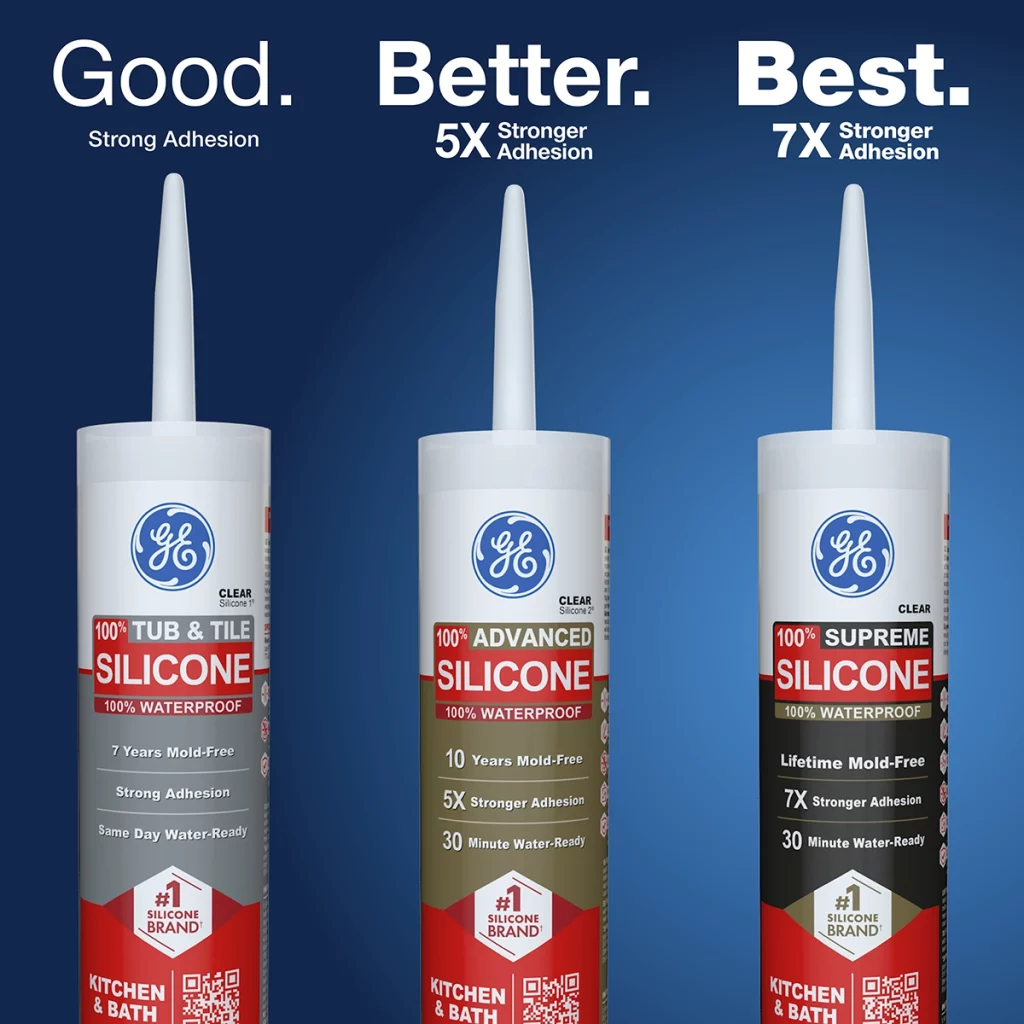
- Sealants: Silicone sealants are used for waterproofing various home fixtures such as sinks, tubs, and windows, ensuring durability and preventing leaks.
- Cooking Utensils: Silicone spatulas, spoons, and tongs are heat-resistant and won't scratch your cookware, making them ideal for any kitchen.
- Crafts: For DIY enthusiasts, silicone molds can be used to create custom items, from soap bars to resin art, adding a personal touch to your crafts.
In addition to these kitchen and crafting uses, silicone can be beneficial in other areas of your home:
- Bath Mats: Silicone bath mats provide a non-slip surface in the bathroom, ensuring safety while adding a touch of style.
- Coasters: Silicone coasters are perfect for protecting your furniture from water rings and stains, while their vibrant colors can enhance your decor.
- Phone Cases: Silicone phone cases offer excellent protection against drops and scratches, keeping your device safe and looking stylish.
- Childproofing: Silicone corner guards can be used to soften sharp edges on furniture, making your home safer for kids.
- Storage Solutions: Silicone collapsible containers are ideal for saving space in your kitchen or pantry, providing flexible storage options.
Counter-Strike is a highly popular multiplayer first-person shooter game that pits teams of terrorists against counter-terrorists in various game modes. Players must collaborate and strategize to complete objectives, such as defusing bombs or rescuing hostages. For gamers looking to enhance their experience, finding the best accessories can be crucial. Check out the Top 10 airpods cases to keep your gadgets protected while you play.
How to Choose the Right Silicone Products for Your Needs
Choosing the right silicone products for your needs can significantly impact both functionality and durability. To make an informed decision, consider the following factors: type of silicone, application requirements, and quality standards. There are various forms of silicone, including food-grade silicone suitable for kitchenware and high-temperature silicone used in automotive applications. Ensure that the silicone you choose meets the necessary certifications and safety standards for your specific use.
Furthermore, it’s important to evaluate the specific features of the silicone products you are considering. Look for properties such as flexibility, temperature resistance, and color options, as these can enhance user experience and product performance. Additionally, reading reviews and comparisons can help you understand how different products hold up over time. By taking these steps, you can ensure that you select the best silicone products tailored to your individual needs.
Silicone vs. Traditional Materials: Which is Better for Your Home?
When considering materials for home products, silicone and traditional materials like wood, glass, or metals each have their unique advantages and disadvantages. Silicone is known for its durability and flexibility, making it an excellent choice for items such as kitchen utensils, bakeware, and even sealants. Unlike traditional materials, silicone is resistant to heat, stains, and odors, providing an easy-to-clean and long-lasting option. Moreover, its non-stick properties make it ideal for cooking applications, reducing the need for excessive oils and fats.
On the other hand, traditional materials often bring a sense of style and elegance that silicone may lack. Wooden furniture, for example, can add warmth and charm to a home, while glass accents can elevate its aesthetic appeal. However, traditional materials may require more maintenance, as they can warp, chip, or break over time. Ultimately, the choice between silicone and traditional materials largely depends on your specific needs, preferences, and how you prioritize factors like durability, maintenance, and visual appeal in your home.