The Surprising Emotional Intelligence of Your Remote Control
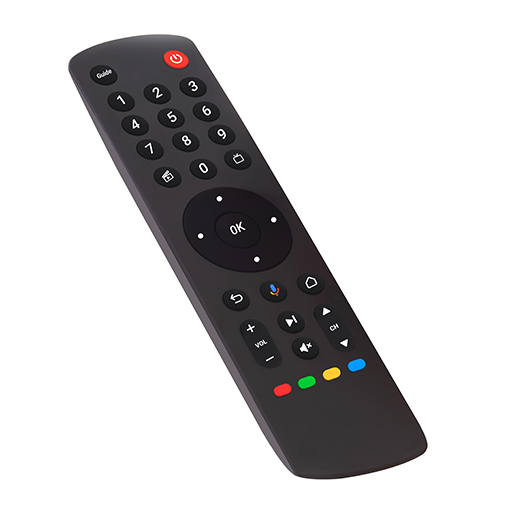
The remote control, often perceived as a mere utility, actually embodies a surprising level of emotional intelligence. When you reach for the remote, it’s not just about changing channels or adjusting the volume; it serves as a conduit for connecting with your emotions and enhancing your viewing experience. For instance, during a tense movie scene, the way you adjust the volume or switch the channel can reflect your emotional state, highlighting a subconscious awareness of how sound and visuals impact your feelings. It’s almost as if the remote understands your preferences, adapting to your mood and context in real-time.
Moreover, consider the way individuals bond over shared viewing experiences facilitated by the remote control. It acts as a catalyst for social interactions, sparking discussions and evoking memories. For example, binge-watching a series with friends can lead to laughter, nostalgia, or intense debates about character choices. In this sense, the remote transcends its primary function, embodying a form of emotional intelligence that fosters connection and engagement. Ultimately, the humble remote control is more than just an accessory; it is an unassuming companion that reflects our emotional landscapes and enhances our communal viewing experiences.
Counter-Strike is a popular first-person shooter game that has been captivating players since its initial release in 1999. It features tactical gameplay, where teams of terrorists and counter-terrorists compete to complete objectives or eliminate the opposing team. For those engaged in gaming or working remotely, you might find the Top 10 iPad Accessories for Remote Work particularly useful for enhancing your setup.
Why Your Remote Control Knows You Better Than Your Partner
Your remote control may seem like a simple device, but it holds a treasure trove of information about your viewing habits, preferences, and routines. With every click, it learns what you like and dislike, showcasing shows and movies that perfectly align with your taste. Unlike a partner who might forget your favorite genre or the last film you enjoyed, your remote control leverages advanced algorithms to analyze your behavior continuously. This constant adaptation means it can suggest the next binge-worthy series or an old classic you might want to revisit, making it an unlikely yet effective companion for entertainment.
Moreover, the remote control operates without judgment, providing you with a personalized experience tailored to your unique likes. It knows the ideal time of day for your favorite comedies, the thrillers you can't resist, and even the obscure genres you've yet to explore. In contrast, relationships often involve compromises and negotiations, sometimes leading to disagreements over what to watch. Your remote is steadfast, ensuring that your preferences take center stage. The more you use it, the better it gets at understanding your viewing patterns, proving that perhaps your remote control may indeed know you better than your partner in the realm of entertainment.
Can a Remote Control Teach Us How to Communicate Better in Relationships?
In many ways, a remote control serves as a fascinating metaphor for communication in relationships. Just as a remote allows us to navigate various channels and adjust our viewing experience, effective communication involves knowing when to engage, pause, or change the subject in conversations. The ability to communicate better is akin to mastering the buttons on a remote, where understanding each other's preferences and boundaries can lead to a more harmonious connection. By recognizing when to turn the volume up or down, couples can engage in deeper, more meaningful conversations, preventing misunderstandings that often arise from miscommunication.
Moreover, a remote control is designed to simplify our interaction with electronics, much like effective communication should simplify our interactions with each other. When we adopt the mindset of a remote control, we can prioritize clarity and empathy, ensuring that our messages are received as intended. For instance, using the 'mute' button during heated discussions can provide space for reflection, while the 'play' button encourages us to share our thoughts openly. Ultimately, by studying how a remote control operates, we can learn to be more conscious of our communication styles, improving our relationships through intentional dialogue and active listening.